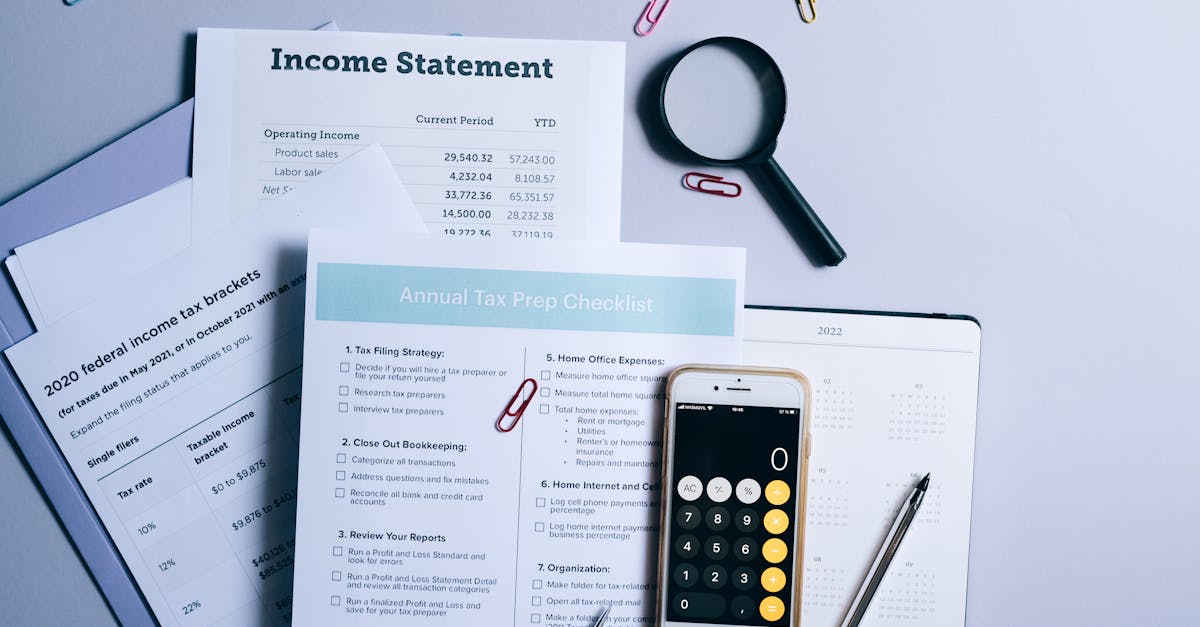
Discover five seemingly smart money habits that can actually sabotage your financial growth, and learn smarter strategies from an expert.
When I started my journey toward financial independence, I believed many common pieces of advice were gospel. I meticulously tracked every penny, always opted for the cheapest option, and squirreled away cash in a low-interest savings account. I thought I was being a savvy saver, diligently building wealth. What I didn’t realize then, and what I see countless others doing today, is that some of these seemingly virtuous habits were actually subtle saboteurs, quietly undermining my long-term financial goals. It’s easy to fall into these traps because they often feel responsible, even praised by conventional wisdom. But in my experience, real wealth isn’t just about saving more; it’s about optimizing your money’s potential. Let’s peel back the layers on these five common misconceptions and replace them with strategies that actually work.
Key Takeaways
- Excessive penny-pinching can lead to decision fatigue and missed opportunities for value.
- Relying solely on a savings account for your emergency fund limits its growth potential and flexibility.
- Blindly chasing the lowest price often compromises quality and can lead to higher long-term costs.
- Neglecting financial education stunts your ability to make informed, impactful investment decisions.
- Viewing debt as universally bad prevents strategic leveraging for wealth creation.
Obsessive Penny-Pinching Triggers Decision Fatigue and Missed Value
I used to be the person who would drive across town to save 50 cents on a gallon of milk. I’d spend an hour comparing two nearly identical products, agonizing over a difference of a dollar or two. My rationale was simple: every penny saved is a penny earned. On paper, it makes sense. In reality, this obsessive penny-pinching led to significant decision fatigue and a complete undervaluation of my time. The mental energy I expended on trivial savings far outweighed the financial gain.
What changed everything for me was realizing that not all spending is created equal, and not all saving is productive. The mistake I see most often is people focusing on absolute savings on small, everyday items while neglecting proportional savings on larger expenses or opportunities for value. For instance, spending an extra $200 on a high-quality appliance that lasts 10 years instead of a cheap one that breaks in two is a smart investment. Yet, many will fret over the $2 difference in coffee beans.
My approach now is to identify high-impact areas for saving and automation, then let go of the small stuff. I automate my savings and investments first. Then, I set a flexible budget for discretionary spending, which removes the need to scrutinize every single minor purchase. If I want a slightly more expensive, ethically sourced coffee, I buy it without guilt, because my big-picture financial health is already secured. This shift liberated mental bandwidth, allowing me to focus on actual wealth-building strategies like investing and increasing my income, rather than micromanaging my grocery bill.
Parking Your Entire Emergency Fund in a Low-Yield Savings Account
Conventional wisdom dictates that your emergency fund—typically three to six months of living expenses—should be readily accessible in a savings account. And yes, liquidity is paramount. But for years, I kept my entire emergency fund in an account earning a pathetic 0.01% interest. I felt secure, but my money was effectively losing purchasing power to inflation, sitting stagnant while it could have been working harder.
The misconception here is that liquidity and growth are mutually exclusive. In my experience, they are not. What changed everything for me was discovering high-yield savings accounts (HYSAs) and short-term certificate of deposits (CDs) that offered significantly better returns while maintaining accessibility. While not as liquid as a traditional checking account, HYSAs typically offer immediate access (though transfers might take a day or two), and short-term CDs mature quickly, providing a laddered approach to liquidity.
For example, if your emergency fund is $15,000, leaving it in a 0.01% account means it earns $1.50 per year. In a HYSA earning 4.00% (common in 2026), that same $15,000 earns $600 per year. That’s real money that can offset inflation or even contribute to a small unexpected expense without touching the principal. My strategy now is to keep a smaller, truly immediate cash buffer in my checking account (enough for perhaps a week or two), and the bulk of my emergency fund in a HYSA. For funds I anticipate needing in 6-12 months (like a planned car repair or down payment component), a short-term CD ladder can offer even better returns. This approach balances essential liquidity with smart, low-risk growth, ensuring my safety net isn’t silently shrinking.
Blindly Chasing the Absolute Lowest Price Compromises Long-Term Value
My early financial philosophy was simple: if there’s a cheaper version, buy it. From electronics to clothing to home goods, the lowest price tag always won. I believed I was being fiscally responsible. The mistake I see most often is failing to consider the total cost of ownership and the value decay that often accompanies rock-bottom prices. I’d buy a cheap pair of shoes only to replace them every six months, or a budget appliance that broke down within a year, costing me more in replacements and frustration than if I’d invested in quality upfront.
What changed everything for me was shifting my focus from price to value. I learned to evaluate purchases based on durability, longevity, and overall satisfaction. For example, instead of buying a $30 coffee maker every year that brews mediocre coffee, I invested $150 in a durable, well-reviewed machine five years ago that still works flawlessly and delivers a superior cup every morning. The initial cost was higher, but the long-term cost, both financially and in terms of daily enjoyment, was significantly lower.
Now, before a purchase, I ask: What’s the expected lifespan of this item? What are the repair costs if it breaks? How will this impact my daily experience or productivity? In my experience, for items used frequently or that significantly impact quality of life, investing in the mid-to-high range often yields far better long-term value. This isn’t about conspicuous consumption; it’s about smart, informed spending that avoids the hidden costs of cheap goods.
Neglecting Financial Education Stunts Your Investment Growth
For a long time, I thought managing my investments meant simply choosing a robo-advisor or picking a few well-known stocks. I’d read headlines and make gut decisions, often chasing trends. I considered myself ‘investing’ but was largely operating on intuition and anecdotal evidence. The mistake I see most often is people outsourcing their entire financial future without understanding the underlying principles, or worse, making reactive decisions based on fear or greed.
What changed everything for me was committing to continuous financial education. I realized that while advisors and tools are valuable, a foundational understanding of economics, market cycles, and different asset classes empowers you to ask better questions, evaluate advice critically, and make decisions aligned with your unique goals. I started reading books on investing, following reputable financial news sources (not just headlines), and even taking online courses. This wasn’t about becoming a day trader, but about becoming an informed owner of my financial future.
For example, understanding concepts like diversification, risk tolerance, and tax efficiency transformed my portfolio from a haphazard collection of assets into a strategic, long-term growth engine. I learned that small adjustments to asset allocation or understanding when to rebalance can have a far greater impact on my net worth over decades than saving an extra $5 on groceries. My recommendation is to dedicate even just 30 minutes a week to learning about personal finance. It’s an investment that compounds faster than almost any other.
Viewing All Debt as Universally Bad Prevents Strategic Leveraging
Early in my career, I was terrified of debt. My goal was always to pay off everything as quickly as possible, even if it meant sacrificing other opportunities. I had internalized the idea that all debt is a moral failing, a burden to be eradicated. While excessive high-interest debt (like credit card debt) is indeed detrimental, the mistake I see most often is extending this blanket condemnation to all forms of debt, preventing people from leveraging it strategically for wealth creation.
What changed everything for me was understanding the difference between good debt and bad debt. Good debt, in my experience, is an investment that has the potential to generate income or appreciate in value. Think about it: a mortgage on a primary residence often builds equity, and a loan for education can lead to higher earning potential. Even a well-managed business loan can fuel growth far beyond its interest cost.
For instance, I once had a small business opportunity that required a $10,000 loan at a reasonable interest rate. My initial instinct was to save up the cash, which would have taken a year. By strategically taking the loan, the business was able to launch and generate income immediately, far exceeding the interest payments. If I had waited, the opportunity might have passed. My approach now is to meticulously evaluate the return on investment of any debt. Will this debt enable me to acquire an asset that appreciates, or increase my income significantly? If the answer is a clear yes and the terms are favorable, I consider it a tool, not a burden. This shift allowed me to make calculated moves that accelerated my financial progress, rather than being held back by an unfounded fear of all borrowing.
Frequently Asked Questions
Should I never pinch pennies on small items?
No, the point isn’t to never save money. It’s about optimizing where you expend your mental energy. Focus on automating larger savings and investment contributions, and then allow yourself flexibility on smaller, non-impactful purchases. The goal is to avoid decision fatigue on trivial items that distract from bigger financial moves.
How can I make my emergency fund work harder without risking it?
Look for high-yield savings accounts (HYSAs) from online banks, which typically offer significantly higher interest rates than traditional banks while maintaining good liquidity. For funds you won’t need for 3-12 months, consider a CD ladder with short-term certificates of deposit to capture even better rates.
What’s a good way to identify
Ben Carter
Personal Finance & Smart Spending
With a background in community finance, Ben simplifies personal finance and consumer choices for everyone.