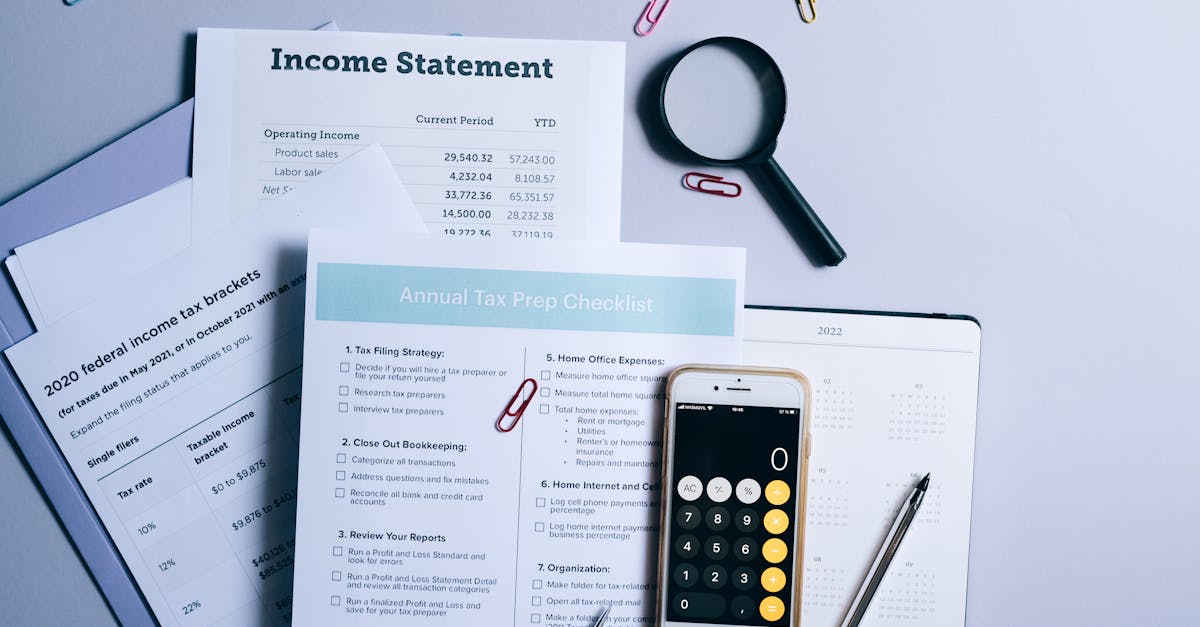
Comparing digital and paper receipts for financial control. Discover which method offers superior security and ease of management for your records.
For years, I was a staunch defender of physical receipts. Every coffee, every grocery run, every online purchase confirmation – if it came with a slip of paper, it went into my wallet, then into a designated drawer, destined for a meticulous, albeit time-consuming, monthly reconciliation. I believed that having a tangible record provided unparalleled control, a physical testament to every dollar spent. The idea of relying on digital files felt abstract, less secure, and frankly, a little too hands-off for someone who prides himself on smart spending.
Then came the mountain of paper. The overflowing drawers, the faded ink, the sheer frustration of sifting through dozens of flimsy slips to find one specific transaction for a return or a warranty claim. What I thought was ‘control’ had become a burden, a physical manifestation of my financial anxiety. The reality was, my paper system was creating more problems than it solved. It was then I started to seriously question my long-held belief: was the comfort of paper truly providing better financial control, or was it just an illusion?
Key Takeaways
- Digital receipts offer superior long-term data integrity and searchability over prone-to-fading paper.
- Relying solely on a single digital receipt source creates a single point of failure; diversify storage.
- Paper receipts offer immediate, undeniable proof for short-term returns but are cumbersome for audits.
- The real advantage lies in a hybrid system, leveraging digital for long-term archiving and paper for immediate needs.
Data Integrity: The Fading Ink Versus the Cloud’s Permanence
One of the most insidious problems with paper receipts is their impermanence. In my experience, the thermal paper used by most retailers is designed to fade. I can’t tell you how many times I’ve gone to retrieve a receipt from six months prior, only to find a blank white slip. This isn’t just an inconvenience; it completely undermines the purpose of keeping a record. How can you have financial control if your proof literally disappears?
Digital receipts, on the other hand, offer an almost eternal record. Stored in the cloud, in your email, or within dedicated budgeting apps, they resist the ravages of time and environment. What changed everything for me was realizing that the sheer durability of digital records far outstrips paper. A digital receipt from 2023 is as clear and legible today as it was the day I received it. This makes a monumental difference when you’re looking back at spending patterns over several years, preparing for an audit, or needing proof of purchase for a warranty that extends beyond a few months. The ‘set it and forget it’ nature of a properly archived digital receipt brings a peace of mind that paper simply cannot.
Accessibility and Searchability: The Pile Versus the Search Bar
Imagine needing to find a receipt for a specific purchase made nine months ago. If you’re like my old self, you’re looking at a drawer or an accordion file stuffed with hundreds of paper slips, trying to remember the exact date, the store, or even the general timeframe. It’s a treasure hunt without a map, a process that can easily eat up an hour of your precious time.
With digital receipts, this entire ordeal is transformed into a matter of seconds. In my experience, the mistake I see most often is people not leveraging the power of search. Most email clients have robust search functions. Budgeting apps are designed to categorize and tag transactions, making them instantly retrievable. I can type a store name, a keyword from the item purchased, or a date range, and instantly pull up every relevant transaction. This immediate accessibility fundamentally shifts how you interact with your financial data. It moves from a reactive, frustrating search to a proactive, insightful analysis. When you can quickly pull up all your spending at a particular store or on a specific category, you gain a granular understanding of your habits that a stack of paper could never provide.
Security and Risk: Physical Theft Versus Digital Vulnerabilities
This is where the debate gets interesting, and misconceptions abound. Many people feel that a physical receipt in their hand is inherently more secure. After all, if your phone is lost or hacked, isn’t all your financial data exposed? In my experience, this view overlooks several critical factors.
Firstly, physical receipts are susceptible to physical theft and loss. A dropped wallet, a lost bag, a house fire – all these scenarios can completely obliterate your paper trail. If a thief gets hold of your wallet full of receipts, they have a trove of information: your last four digits of credit cards, your purchasing habits, the stores you frequent, and potentially your name and address. This information can be used for identity theft in surprisingly sophisticated ways.
Secondly, while digital systems do have vulnerabilities, they also come with layers of protection that paper cannot offer. Good budgeting apps use encryption, two-factor authentication, and secure servers. Cloud storage providers invest millions in cybersecurity. What changed everything for me was adopting a layered security approach for my digital financial life. This includes strong, unique passwords, a reliable password manager, and routinely reviewing account activity. While no system is perfectly impenetrable, the distributed nature of digital storage (across email, apps, and cloud services) means that a single point of failure is less catastrophic than losing a physical stack of receipts. Moreover, if your phone is lost, you can often remotely wipe data or change passwords, a luxury unavailable with a lost paper receipt.
Audit Preparedness and Warranty Claims: The Accountant’s Nightmare Versus the Organized Archive
Anyone who has faced an audit or tried to claim a warranty with only faded paper receipts will tell you it’s a nightmare. The sheer volume of paper, the time spent organizing, and the potential for crucial details to be illegible create immense stress and risk. Tax authorities and manufacturers prefer clear, verifiable records. A digital record, especially one that can be easily exported or shared, is a much stronger asset.
In my experience, digital receipts, particularly when linked to a robust budgeting or expense tracking app, make audit preparedness nearly effortless. All my transactions are categorized, tagged, and often have the original digital receipt attached. When I need to pull all medical expenses or business deductions, it’s a matter of a few clicks. For warranty claims, having the original digital receipt, sometimes even a photo of the product serial number linked to the purchase, streamlines the process immensely. This proactive organization removes a significant layer of financial anxiety and ensures you have the necessary documentation when it truly matters.
Environmental Impact and Clutter: The Paper Waste Versus the Green Choice
This might seem like a secondary concern, but for me, it became a powerful motivator. The sheer amount of paper receipts we generate as consumers is staggering. Every purchase contributes to deforestation, waste, and the energy consumed in production and disposal. My overflowing ‘receipt drawer’ was a constant, visual reminder of this consumption.
Making the switch to digital was a conscious decision to reduce my environmental footprint and, quite frankly, my physical clutter. What works instead is having a cleaner, more organized physical space, which in turn leads to a clearer, less cluttered mind. This shift supports a more mindful approach to consumption overall. When you’re not constantly collecting and discarding paper, you become more aware of the broader impact of your spending habits, fostering a greater sense of responsibility and intentionality.
Frequently Asked Questions
Can I just take photos of my paper receipts to make them digital?
Yes, this is an excellent hybrid approach. Many budgeting apps or cloud storage services allow you to snap a photo of a physical receipt, which then digitizes and archives it. This offers the immediate proof of paper with the long-term benefits of digital storage, protecting against fading ink and physical loss.
What if a store only offers paper receipts and no digital option?
In this scenario, taking a photo of the paper receipt with your smartphone immediately after the purchase is the best practice. You can then discard the physical receipt, ensuring you have a clear, permanent digital record. Some budgeting apps even allow you to categorize these snapped receipts on the spot.
Is it safe to store my receipts in a budgeting app or cloud service?
Generally, yes, if you choose reputable services with strong security measures like encryption and two-factor authentication. Always research the privacy and security policies of any app or cloud service before entrusting it with your financial data. Layering your security with strong, unique passwords for each service is also crucial.
How long should I keep digital receipts for tax purposes?
For tax purposes, the IRS generally recommends keeping records for three years from the date you filed your original return or two years from the date you paid the tax, whichever is later. However, for certain situations, like reporting worthless securities or bad debt deductions, the period extends to seven years. It’s always best to consult with a tax professional for specific advice.
What are the best ways to ensure my digital receipts are truly organized?
To maximize organization, ensure your digital receipts are consistently named or tagged. Use specific keywords like the store name, item purchased, or category (e.g., “Groceries_WholeFoods_2026-03-15”). Leveraging the categorization features of budgeting apps is also highly effective. Regularly review and clean up your digital files, just as you would physical ones, to maintain clarity and control.
Transitioning from paper to digital receipts, or adopting a smart hybrid approach, isn’t just about modernizing your financial record-keeping; it’s about fundamentally enhancing your financial control. The mountains of faded paper I once treasured as symbols of security were actually undermining my efforts. By embracing the clarity, searchability, and permanence of digital records, I unlocked a new level of confidence in managing my money. Take the leap, and you’ll find that true financial clarity lies not in the physical stack, but in the intelligent organization of your spending data.
Ben Carter
Personal Finance & Smart Spending
With a background in community finance, Ben simplifies personal finance and consumer choices for everyone.