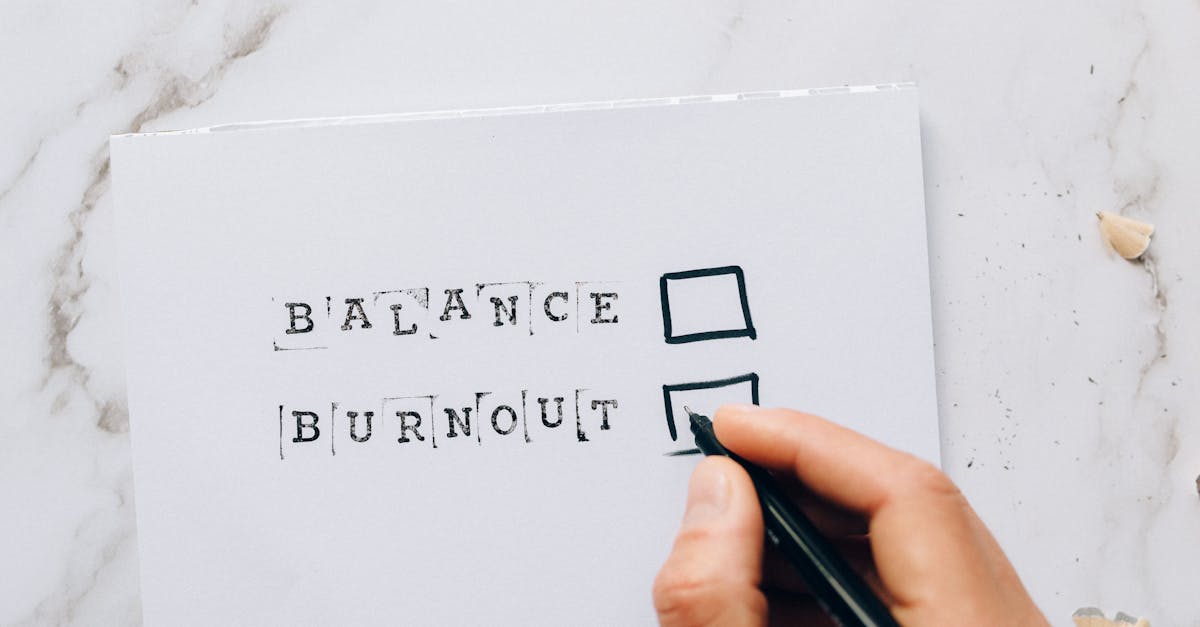
Decision fatigue silently saps your mental energy. Learn why it happens and discover practical strategies to reclaim focus and make better choices.
Have you ever found yourself staring blankly at your wardrobe at 8 AM, completely overwhelmed by the choice of what to wear, even though your closet is packed? Or maybe you’ve reached 3 PM at work, perfectly capable of tackling that important report, but instead, you scroll aimlessly through social media, unable to initiate anything productive. It’s not just a lack of motivation; it’s a subtle, insidious force called decision fatigue — the mental exhaustion that builds up from making countless choices throughout the day. It’s the silent drain that leaves you feeling depleted, less effective, and prone to poor decisions, especially in the areas that matter most. In my experience, most people dramatically underestimate how many decisions they make before noon, and how profoundly those seemingly small choices impact their capacity to tackle the truly important ones later.
This isn’t just about big life choices; it’s about the cumulative weight of ‘what to eat for breakfast,’ ‘which email to open first,’ ‘should I take the stairs or the elevator,’ ‘what background music to listen to.’ Each tiny choice draws from the same limited well of mental energy. By the time you need to decide on a critical project strategy or a financial investment, your well is often nearly dry, leading to procrastination, impulsive choices, or simply doing nothing at all. The good news is, once you understand how decision fatigue works, you can build systems to conserve that precious mental energy for what truly matters.
Key Takeaways
- Decision fatigue is the mental exhaustion from making too many choices, leading to poor judgment and procrastination.
- Automate or eliminate low-impact daily decisions to preserve your mental energy for important tasks.
- Structure your day to front-load critical decisions when your willpower is highest.
- Implement pre-made ‘if-then’ plans to reduce on-the-spot cognitive load for recurring situations.
The Cumulative Cost of ‘Small’ Choices That Nobody Talks About
We often focus on optimizing our time or managing tasks, but rarely do we consider managing our decision budget. Think about your morning: you might decide what time to wake up, what to wear, what to eat, whether to exercise, which route to take to work, which emails to check first, and how to respond to the initial batch. That’s easily 10-15 conscious decisions before 9 AM. Each one, no matter how minor, consumes a tiny slice of your finite mental bandwidth. The mistake I see most often is that people treat all decisions as equal, not realizing that a choice about breakfast cereal draws from the same cognitive reserve as a choice about a critical business strategy.
This cumulative effect is what makes decision fatigue so dangerous. It doesn’t present as a sudden crash but rather a gradual erosion of your willpower and self-control. By the afternoon, when complex problems arise or unhealthy snacks beckon, your brain is simply too tired to resist or engage effectively. It’s why highly successful people like Steve Jobs and Barack Obama famously wore the same outfit every day – they weren’t being quirky; they were deliberately eliminating trivial decisions to preserve their mental energy for their groundbreaking work. For me, realizing this was a game-changer. I used to spend 15 minutes agonizing over outfit choices, and then wonder why I felt drained before my first coffee. Now, I have a simplified capsule of work clothes, and that mental space is freed up for my most challenging writing tasks.
Automate the Trivial to Elevate the Essential
The most effective way to combat decision fatigue is to consciously reduce the number of choices you have to make daily. This isn’t about avoiding responsibility; it’s about intelligent energy management. Look for areas in your life where you can either automate decisions or eliminate the need for them altogether. Think of your daily routine as a series of default settings rather than a fresh set of choices each day.
Consider your morning routine. Instead of deciding what to eat, what if you had 2-3 go-to breakfast options that require minimal thought? For example, I have a standard oatmeal with berries on weekdays, and a pre-planned smoothie on busy mornings. This cuts out a 5-minute decision loop every single day. The same goes for what to wear. Develop a simple ‘uniform’ or a rotation of outfits that you know work. This isn’t about stifling creativity; it’s about reserving creative energy for where it truly matters. When I simplified my wardrobe to a core set of versatile pieces, I not only saved time but also felt a distinct lift in mental clarity each morning. I wasn’t just not choosing; I was actively choosing not to choose, and that distinction made all the difference.
Front-Load Your Major Decisions (And Schedule Your Willpower)
Your mental energy and willpower are highest at the beginning of the day. As the hours pass, each decision, interaction, and minor stressor chips away at this reserve. This means the most critical decisions, the ones that require deep thought, analysis, and strong judgment, should be tackled first thing in the morning, or at least before your energy starts to wane. The mistake many people make is saving the hardest tasks for the afternoon, thinking they’ll ‘get to it’ after clearing out smaller items. By then, decision fatigue has set in, and those big tasks feel insurmountable.
What changed everything for me was scheduling my ‘deep work’ — tasks requiring significant cognitive effort and decision-making — for the first two hours of my workday. This means no email, no social media, and no minor administrative tasks. It’s dedicated time to focus on the one or two most impactful decisions or problems of the day. For example, if I have to outline a complex article or review a client proposal that requires nuanced feedback, I do it before 10 AM. I’ve found that a decision that would take me 90 minutes of agonizing back-and-forth in the afternoon can be made confidently and efficiently in 45 minutes first thing in the morning. This isn’t just about productivity; it’s about the quality of your decisions. You’re making choices with a full tank, not running on fumes.
The Power of ‘If-Then’ Planning: Decision Shortcuts
One of the most powerful strategies against decision fatigue is creating ‘if-then’ plans or implementation intentions. This is about making decisions in advance for common recurring scenarios, so you don’t have to deliberate in the moment. Instead of facing a choice, you simply execute a pre-determined plan. It’s a behavioral shortcut that bypasses the need for on-the-spot willpower.
For example:
- If my alarm goes off, then I immediately put on my running shoes and go for a walk.
- If it’s 1 PM, then I eat the prepped lunch from my fridge.
- If a colleague sends a non-urgent email, then I will only respond during my dedicated email blocks at 11 AM and 4 PM.
- If I feel the urge to scroll social media during work, then I will instead open my ‘focus music’ playlist and work on my current task for 20 minutes.
These simple rules act as decision buffers. They reduce the cognitive load significantly because you’ve already made the decision when you were clear-headed and had ample willpower. I used to struggle immensely with post-dinner snacking. My ‘if-then’ plan became: If it’s after 8 PM, then I brush my teeth and only drink water or herbal tea. This simple pre-commitment eliminated the endless mental debate in front of the pantry and significantly improved my sleep and overall well-being. It’s about programming your behavior to conserve mental energy for when you truly need it.
The Unsung Hero: Simplify Your Digital Landscape
Decision fatigue isn’t limited to physical choices; it’s hugely exacerbated by our digital lives. Every notification, every open tab, every app icon on your phone represents a potential decision point. ‘Should I check that notification?’, ‘Which of these 20 tabs should I look at next?’, ‘What app should I open now?’ These tiny, constant digital decisions chip away at your focus and mental energy without you even realizing it.
To combat this, simplify your digital landscape aggressively. Turn off non-essential notifications on your phone and computer. I personally only allow calls and texts from a select few contacts to generate an audible alert; everything else is silent. Reduce the number of apps on your home screen to only the absolute essentials. Use website blockers during designated work periods. Close tabs you’re not actively using. Create specific ‘work’ profiles or virtual desktops for different types of tasks to reduce visual clutter.
What changed everything for me was adopting a ‘digital minimalism’ approach. I removed all social media apps from my phone and access them only via a browser on my computer during specific, limited times. This eliminated hundreds of tiny ‘should I check this?’ decisions throughout the day. The result wasn’t just less distraction; it was a profound sense of calm and a noticeable increase in my ability to focus on complex tasks without my mind constantly seeking a new input.
Frequently Asked Questions
What exactly is decision fatigue?
Decision fatigue is the psychological phenomenon where the quality of decisions deteriorates after a long session of decision-making. It’s a form of mental exhaustion that depletes willpower and self-control, leading to poorer choices, procrastination, and a tendency to either act impulsively or avoid making any decision at all.
How can I tell if I’m experiencing decision fatigue?
Common signs include feeling overwhelmed by simple choices, procrastinating on important tasks, making impulsive purchases, struggling with self-control (e.g., eating unhealthy foods despite intentions), feeling mentally drained even without much physical exertion, and having difficulty focusing or initiating new tasks in the afternoon or evening.
Does decision fatigue only apply to big, important decisions?
No, absolutely not. While big decisions certainly contribute, decision fatigue is primarily caused by the cumulative effect of countless small, seemingly insignificant choices made throughout the day. Each tiny choice—what to wear, what to eat, which email to open, whether to check a notification—draws from the same limited mental resource, leading to exhaustion.
What are some quick ways to reduce decision fatigue immediately?
In the short term, you can take a quick mental break, step away from your screen, do some light physical activity, or make a very simple, pre-planned choice (like having a specific snack or drink). For immediate impact, try delegating a decision if possible, or using a simple rule like ‘when in doubt, choose the default option’ to get past minor roadblocks.
How can I incorporate these strategies into a busy life without feeling overwhelmed?
Start small. Pick one area where you make a lot of low-impact decisions (e.g., breakfast, outfits, or managing notifications) and implement one change. Once that feels natural, add another. The goal isn’t to revolutionize your life overnight, but to gradually build systems that conserve your mental energy. Small, consistent efforts will yield significant long-term results.
Fighting decision fatigue isn’t about eliminating choices; it’s about being strategic with them. By understanding its silent drain and actively implementing systems to automate the trivial, front-load the critical, and simplify your environment, you can reclaim your mental energy. This allows you to approach your most important decisions with clarity, conviction, and a full tank, leading to a more focused, productive, and less stressful daily life. Start by identifying just one area where you can reduce a daily decision today, and feel the difference.
Clara Vance
Productivity & Organization
A former project manager with a passion for efficient living, Clara brings a structured approach to everyday challenges.