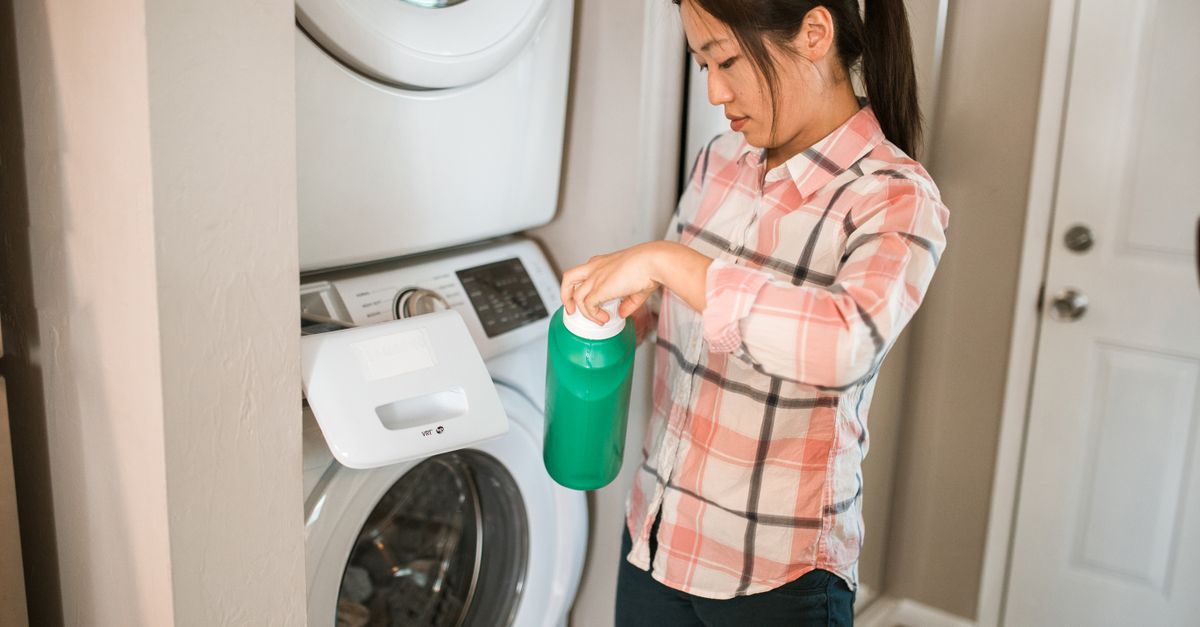
I went six months without traditional laundry detergent. Here's what I learned about truly clean clothes, hidden costs, and sustainable living.
The idea first struck me during a particularly brutal grocery store run. My cart was overflowing, my wallet felt lighter, and among the mountain of consumables was a giant jug of laundry detergent. It hit me: how much of this was truly necessary? I’d always just bought it, along with fabric softener, stain removers, and scent boosters, assuming they were indispensable for fresh, clean clothes. But as I reflected on my ever-increasing utility bills and my quest for a more minimalist, sustainable lifestyle, I began to question this assumption. Could I really get my clothes clean without all those chemicals and plastic bottles? Could I save money, reduce waste, and still have fresh-smelling laundry? I decided to find out.
For the next six months, I committed to washing my clothes without a single drop of traditional laundry detergent. No pods, no liquids, no powders. My goal wasn’t just to cut costs, but to truly understand what “clean” meant for my clothes and how essential these products truly were. What I discovered fundamentally reshaped my perspective on laundry, my budget, and the subtle ways we’re conditioned to consume. It wasn’t always easy, and there were definitely a few learning curves, but the insights I gained were invaluable.
Key Takeaways
- Eliminating traditional detergent revealed that water quality and agitation are the primary drivers of clean clothes, not just chemicals.
- Simple, natural alternatives like vinegar and baking soda effectively tackle odors and minor stains without harsh chemicals.
- The perceived “clean” smell of commercial detergents often masks underlying issues, promoting an expensive cycle of unnecessary products.
- My unexpected savings extended beyond detergent, forcing me to rethink other seemingly essential household purchases.
- Embracing a minimalist laundry routine significantly reduced my plastic waste and simplified a once-complicated chore.
Water Quality Is the Unsung Hero of Clean Clothes
The first thing I realized was how much I’d been taking my water for granted. Before this experiment, I assumed detergent did all the heavy lifting. If clothes weren’t clean, it was the detergent’s fault. But without it, the true cleansing power of water, combined with mechanical agitation, became undeniable. My clothes, particularly items like towels and bed linens, often felt just as fresh and appeared just as clean after a plain water wash cycle as they did with detergent.
In my experience, the biggest revelation was understanding hard water versus soft water. I live in an area with moderately hard water, which contains higher levels of minerals like calcium and magnesium. These minerals can react with soaps and detergents, forming a residue that actually makes clothes feel stiff and look dull over time. Without detergent, I noticed less of this residual build-up. For lighter loads, particularly everyday clothes that weren’t heavily soiled, a hot water cycle was remarkably effective. The friction of the clothes rubbing against each other in the machine, combined with the hot water, was often enough to dislodge loose dirt and refresh fabrics. The mistake I see most often is attributing all cleaning power to the product, rather than the process itself. What changed everything for me was investing in a simple water filter for my washing machine hose. This small addition, costing around $30, made a noticeable difference in how soft my clothes felt and how thoroughly they rinsed, proving that the quality of your wash water plays a far more significant role than most people realize.
Vinegar and Baking Soda Are More Than Kitchen Staples
Naturally, there were moments when plain water wasn’t enough. Stubborn odors, particularly from workout clothes or kitchen towels, occasionally lingered. And while I didn’t eliminate stain removers entirely for really tough grease or mud, I significantly reduced their use. This is where simple, natural household items stepped in: white vinegar and baking soda.
What changed everything for me was discovering the odor-neutralizing power of white vinegar. For musty towels or sweaty gym gear, a quarter-cup of white vinegar added to the rinse cycle worked wonders. It didn’t leave a vinegar smell, as some might fear; instead, it helped strip away residue and left clothes smelling genuinely neutral and clean. Vinegar is mildly acidic, making it excellent for dissolving mineral deposits and detergent residue, which often trap odors. For light stains or brightening whites, a half-cup of baking soda added directly to the wash drum with the clothes before starting the cycle became my go-to. Baking soda is a natural deodorizer and a gentle abrasive that can help lift minor stains. The mistake I see most often is people thinking these are mere ‘hacks’ rather than genuinely effective cleaning agents. What changed everything for me was consistently using them as part of my routine. I now keep a large jug of white vinegar and a bag of baking soda in my laundry room, and they’ve virtually replaced all my specialty laundry additives.
The “Clean Laundry Smell” Is an Expensive Illusion
One of the hardest habits to break was the expectation of that strong, artificially clean scent that traditional detergents leave behind. We’re conditioned to associate this aroma with cleanliness, but my experiment revealed it’s often an expensive illusion. Without the perfumed assault of commercial detergents, my clothes smelled… like nothing. And that, I realized, was true cleanliness.
In my experience, the mistake I see most often is people purchasing heavily scented detergents to mask odors, which often traps bacteria and residue rather than eliminating it. What changed everything for me was recognizing that a neutral scent is the purest indication that fabrics are genuinely clean. The absence of a strong fragrance forced me to address any lingering odors head-on with vinegar or proper ventilation, rather than just covering them up. I also realized how much energy and money I had spent chasing that perfect “laundry fresh” scent, only to often find it irritating or overwhelming after a few hours. This shift helped me appreciate the subtle, natural scent of truly clean fabric, which is far more pleasant and less intrusive. If I ever desired a hint of scent, I’d occasionally add a few drops of lavender or tea tree essential oil to a wool dryer ball, which provided a gentle, natural aroma without being overpowering or chemical-laden.
The Ripple Effect on My Budget and Beyond
The financial savings were, predictably, significant. Over six months, I estimate I saved well over $100 on detergent, fabric softener, and scent boosters alone. But the most surprising outcome was the ripple effect this single change had on my overall spending and consumption habits.
In my experience, the mistake I see most often is isolating one change without recognizing its potential to influence others. What changed everything for me was realizing that if I could do without laundry detergent, what else was I buying out of habit or marketing rather than genuine necessity? This led to a deeper audit of my cleaning supplies. I began questioning the need for separate bathroom cleaners, kitchen sprays, and floor solutions. I started simplifying my routine, opting for multi-purpose cleaners or even just plain hot water and a microfiber cloth for many tasks. This holistic approach to reducing chemicals and unnecessary products in my home wasn’t just about saving money; it was about adopting a more conscious consumer mindset. My quarterly spending on household items dropped by almost 30%, a direct result of challenging my assumptions about what was truly essential. This shift extended beyond just cleaning products, impacting my decisions on personal care items and even packaged foods, fostering a far more minimalist and intentional approach to my entire shopping list.
Embracing Simplicity Reduced Waste and Stress
Beyond the financial and cleanliness aspects, the mental and environmental benefits were profound. The endless parade of bulky plastic jugs and bottles ceased. My laundry area, once cluttered with various specialized products, became remarkably streamlined. This simplification extended to the very process of doing laundry, transforming a chore into a more mindful and less overwhelming task.
What changed everything for me was connecting the dots between consumption and personal well-being. The mistake I see most often is viewing sustainable choices as sacrifices, rather than opportunities for simplification and reduced stress. Eliminating traditional detergent meant less plastic waste ending up in landfills, a small but meaningful contribution to my personal environmental goals. It also removed the decision fatigue associated with choosing between countless brands, scents, and types of detergent. My laundry routine became simpler: sort, load, add vinegar/baking soda if needed, wash, dry. The process felt cleaner, both literally and metaphorically. This newfound simplicity wasn’t just about saving space; it was about reducing mental clutter and allowing me to reclaim a small corner of my home from the relentless cycle of consumerism. It solidified my belief that true effectiveness often lies in simplicity, not in an abundance of specialized products.
Frequently Asked Questions
Can you really clean clothes without any detergent at all?
Yes, for lightly soiled items and regular washes, particularly in soft water, clothes can become clean through mechanical agitation and water alone. The friction of fabrics in the washing machine helps dislodge dirt, and hot water can sanitize and refresh. For tougher soils or odors, natural alternatives like baking soda and white vinegar are highly effective.
What about removing tough stains without traditional stain removers?
While the experiment minimized traditional stain removers, some very stubborn stains (like grease or blood) still benefit from immediate treatment. For these, I used a concentrated paste of baking soda and a small amount of water, rubbed directly onto the stain before washing. For lighter, everyday stains, a pre-soak with vinegar and water, or a direct application of baking soda, often sufficed. Natural cleaners like hydrogen peroxide can also be very effective for specific types of stains on light fabrics.
Will my washing machine get smelly or build up residue without detergent?
Contrary to popular belief, often it’s traditional detergent and fabric softener that lead to residue buildup and odors in washing machines, especially if too much product is used. These residues can become a breeding ground for mold and mildew. Without detergent, my machine actually stayed cleaner. Regular maintenance, such as running an empty hot cycle with a cup of white vinegar once a month, is always recommended to keep the machine fresh, regardless of detergent use.
How did you handle laundry in different climates or for different fabric types?
For heavier winter clothes or more delicate items, the core principles remained the same. Hotter water (where safe for the fabric) for heavier loads, and cooler water for delicates. For delicates that require a very gentle approach, a small amount of liquid castile soap could be used, or simply a delicate cycle with plain water. My approach was adaptable, emphasizing water temperature and agitation settings over chemical additives, which works across a wide range of fabric types and conditions.
Did your clothes smell different without scented detergent?
Initially, yes. My clothes smelled like nothing, which I quickly learned is the true smell of clean. The strong, artificial fragrances in traditional detergents are designed to mask odors and create an association with cleanliness. Once I adjusted, I found the absence of these overpowering scents to be much more pleasant. If I wanted a subtle, natural scent, I would add a few drops of essential oils (like lavender or lemon) to wool dryer balls or directly to the wash water during the rinse cycle.
Conclusion: A Shift Beyond the Suds
My six months without laundry detergent were far more than a simple cost-cutting exercise; they were a profound lesson in questioning established norms and recognizing the true power of simplicity. I emerged with cleaner clothes, a lighter wallet, and a clearer understanding of what true household efficiency looks like. It forced me to acknowledge how heavily marketing influences our perception of what we need, and how often we overcomplicate everyday tasks.
If you’re curious about reducing your own household waste, saving money, or simply understanding your cleaning habits better, I highly recommend challenging one of your own long-held assumptions. Start with something small, like going a month without fabric softener or trying vinegar in your rinse cycle. You might be surprised by what you discover, not just about your clothes, but about your capacity for intentional living.
Maya Singh
Wellness & Mindful Living
An experienced lifestyle journalist, Maya crafts engaging articles on well-being and mindful living.


