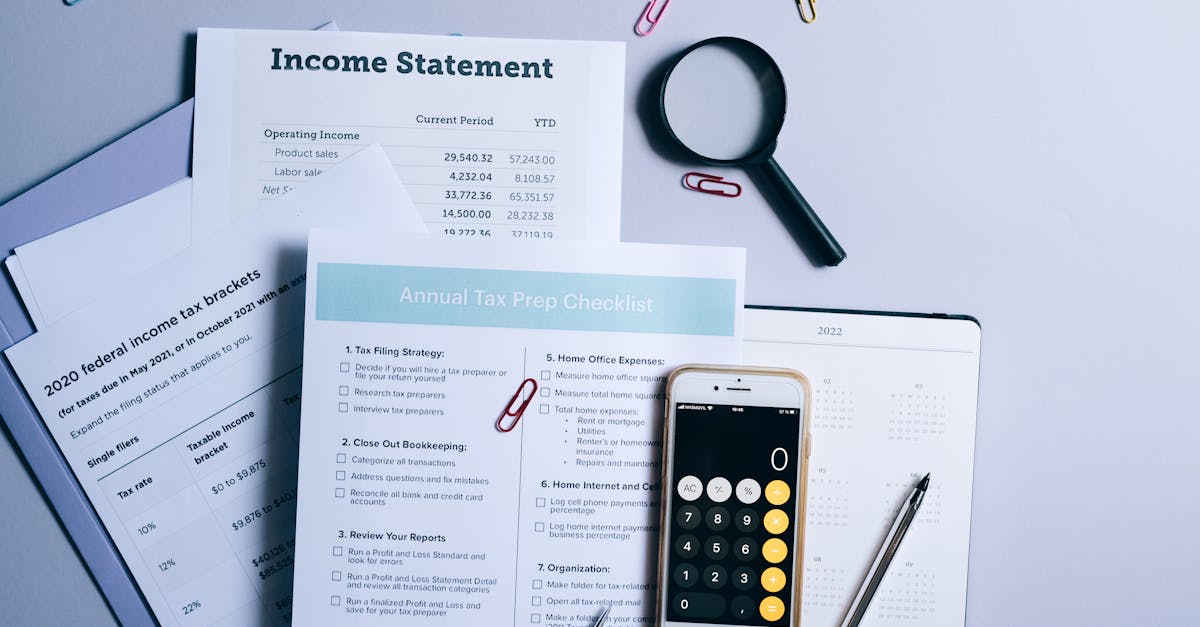
Navigating the complexities of new tax forms for freelance income can be daunting. Learn how to interpret new regulations and optimize your tax strategy.
The landscape of freelance work is constantly evolving, and with it, the complexities of managing your finances. If you’re like me, you probably started freelancing for the freedom – the ability to set your own hours, choose your projects, and escape the traditional 9-to-5 grind. What often comes as a rude awakening, however, is the self-employment tax burden and the seemingly endless stream of new tax forms and regulations. I’ve spent years navigating these waters, initially making every mistake in the book, from underestimating quarterly taxes to completely misunderstanding my deduction eligibility.
Just last year, a significant shift in how online platforms report income to the IRS caught many freelancers, myself included, by surprise. I remember getting a new, unfamiliar form in the mail, and my first thought was, “What is this, and how does it affect my already complicated tax situation?” The mistake I see most often is treating these new forms as just another piece of paper to file away. What changed everything for me was realizing that every new form, every regulatory adjustment, is a signal to re-evaluate and optimize my financial strategy. It’s not just about compliance; it’s about proactively protecting your earnings and ensuring you’re not leaving money on the table.
Key Takeaways
- The shift in reporting thresholds for online platforms often means you’ll receive a new type of tax form, signaling stricter income tracking.
- Proactive engagement with these new forms is essential; don’t just file them, understand their implications for your overall tax liability.
- Always consult a qualified tax professional to ensure you’re maximizing deductions and avoiding costly errors unique to your freelance situation.
- Set aside a higher percentage of your freelance income for taxes than you initially think, especially when facing new reporting requirements.
Understand the Nuance of New 1099-K Thresholds
For years, many freelancers operating through platforms like PayPal, Stripe, Etsy, or even specific gig economy apps might have only received a Form 1099-K if they processed over 200 transactions and the gross payments exceeded $20,000. This threshold provided a kind of ‘buffer’ for smaller freelancers, where direct reporting to the IRS was less common. However, the proposed changes to the threshold to just $600 for any number of transactions is a game-changer. This isn’t just a minor adjustment; it’s a fundamental shift in how the government tracks freelance income. In my experience, this new $600 threshold will mean almost every freelancer, regardless of their volume, will now receive a 1099-K. For instance, if you sell a few handmade items on Etsy and clear more than $600 in a year, you’ll get this form. Previously, you might not have, leading some to assume that income wasn’t ‘officially’ tracked.
This isn’t about collecting more taxes; it’s about gaining visibility into income streams that might have previously flown under the radar. The common misconception here is that if you didn’t receive a 1099-K under the old rules, you didn’t need to report that income. That was never true – all income is reportable – but the lack of a form often led to accidental (or intentional) underreporting. Now, with more widespread issuance of 1099-Ks, the IRS has a clearer picture of your gross receipts from payment processors. This increased transparency requires freelancers to be more diligent than ever about tracking every dollar, both coming in and going out.
Distinguish Between 1099-NEC and 1099-K
Many freelancers get confused between the Form 1099-NEC (Nonemployee Compensation) and the Form 1099-K. Before 2020, nonemployee compensation was reported on Form 1099-MISC, and then the 1099-NEC made a comeback specifically for this purpose. A 1099-NEC is typically issued by a client who pays you $600 or more in a calendar year for services. Think of it as direct payments from a specific client. For example, if I consult for a marketing firm and they pay me $2,500 over the year, they are required to issue me a 1099-NEC.
The 1099-K, on the other hand, reports gross payment card and third-party network transactions. This form comes from payment processors like PayPal, Stripe, Square, or various online marketplaces. It reflects the total amount of payments you received through their network, regardless of who paid you. The crucial distinction is that the 1099-K reports gross transactions, meaning it doesn’t account for refunds, chargebacks, or processing fees. This difference is vital for accurate tax reporting. I’ve seen freelancers simply plug the 1099-K gross amount into their tax software, only to realize later they’re overstating their actual income because they haven’t adjusted for these factors. This can lead to a higher tax bill than necessary if not handled correctly. Always remember that both forms might apply to your income, depending on how you get paid, and they serve different purposes for the IRS.
Proactively Track Deductible Expenses for Your Freelance Business
With increased income visibility, the importance of meticulously tracking your expenses cannot be overstated. The higher the reported gross income, the more critical it is to offset that with legitimate business deductions. This is where many new freelancers stumble. They focus so much on the income side that they neglect the outflow. When I first started, I used a shoebox for receipts. It was chaos. My biggest breakthrough came from adopting a dedicated expense tracking system from day one. This could be specialized software, a detailed spreadsheet, or even a specific bank account and credit card solely for business expenses. The goal is to make it effortless to categorize and quantify every deductible expense.
Common deductions for freelancers include home office expenses (a percentage of rent, utilities, internet), business-related software and subscriptions, marketing costs, professional development, and even health insurance premiums if you’re self-employed. For instance, that new laptop you bought for work? Deductible. The subscription to design software? Deductible. Those miles you drove to meet a client? Deductible. The key is documentation. Without proper records, the IRS won’t accept your claims. A concrete example: I diligently track every business mile using a mileage app. At tax time, this small habit saves me hundreds, sometimes thousands, of dollars in deductions that I would otherwise forget or be unable to prove. Don’t wait until April 14th to sort through a year’s worth of transactions. Make expense tracking a weekly, if not daily, habit.
Adopt a Robust Quarterly Estimated Tax Payment Strategy
Freelancers don’t have taxes automatically withheld from their paychecks like traditional employees. This means you’re responsible for paying your income tax and self-employment tax (Social Security and Medicare) directly to the IRS throughout the year via estimated tax payments. The new tax forms, especially the lower 1099-K threshold, emphasize the need for a solid estimated tax strategy. If you anticipate owing at least $1,000 in taxes for the year, you generally need to make estimated tax payments. The common pitfall here is underestimating your income or forgetting to account for self-employment taxes, which can be around 15.3% on your net earnings.
I recommend setting aside a conservative percentage of every payment you receive specifically for taxes – usually between 25-35%, depending on your income level and state taxes. Then, schedule these payments quarterly using IRS Form 1040-ES. Missing these payments or underpaying can result in penalties. For example, after a particularly lucrative quarter, I once forgot to adjust my estimated payments upward. The tax bill, coupled with penalties, was a painful lesson. Now, I review my income and expenses monthly and adjust my quarterly payments accordingly, ensuring I’m never caught off guard. This proactive approach ensures you spread your tax burden evenly, avoid surprises, and stay compliant.
Plan for Potential Discrepancies and Audits
With more detailed reporting from payment processors, the chances of discrepancies between what the IRS sees and what you report on your tax return increase. This doesn’t automatically mean an audit, but it certainly raises the flag for closer inspection. The IRS uses these forms to cross-reference your reported income. If your 1099-K shows $10,000 in gross payments, but you only report $8,000 in business income, the IRS will likely question the $2,000 difference. This difference could be legitimate (e.g., refunds, chargebacks, personal payments mixed with business), but you’ll need to explain and document it.
My advice: treat every transaction, every form, as if it will be scrutinized. Reconcile your own records with any 1099 forms you receive as soon as they arrive. If there’s a significant mismatch, immediately gather documentation that explains it. For example, if a 1099-K includes personal payments, ensure you have records to prove those were not business income. This meticulous record-keeping is your best defense against potential inquiries. While the thought of an audit can be intimidating, a well-organized financial system built on careful tracking and documentation makes the process far less stressful and significantly increases your chances of a favorable outcome.
Frequently Asked Questions
What if I receive a 1099-K for payments that aren’t business income?
This is a common issue, especially if you use a payment platform like PayPal or Venmo for both personal and business transactions. If your 1099-K includes personal payments (e.g., reimbursement from a friend, gifts), you must separate these out when reporting your business income on Schedule C. Keep detailed records, such as screenshots or notes in your payment platform, to prove that these payments were not for goods or services. You generally report the gross amount from the 1099-K and then subtract the personal portion as an adjustment, with clear documentation ready if the IRS asks for clarification.
Can I just ignore a 1099-K if the amount is small?
No. While the threshold for platforms to issue a 1099-K may have been higher in the past, all income, regardless of amount or whether you receive a form, is taxable and must be reported to the IRS. Ignoring a 1099-K can lead to penalties for underreporting income. The IRS receives a copy of this form, and their systems will flag discrepancies if you don’t report the income.
How does the new 1099-K threshold affect my state taxes?
State tax regulations often mirror federal guidelines, but not always exactly. Some states may have their own 1099-K thresholds or reporting requirements that could differ from the federal rule. It’s crucial to check your specific state’s Department of Revenue website or consult a local tax professional to understand any state-specific implications of the new federal thresholds. Ignoring state requirements can lead to additional penalties.
What are ‘gross payments’ on a 1099-K?
Gross payments refer to the total amount of money processed through the payment network, before any deductions for fees, refunds, chargebacks, or other adjustments. This is an important distinction because your actual net income after these deductions will be lower than the gross amount on the 1099-K. You will need to account for these adjustments when calculating your taxable income.
Should I open separate bank accounts for my freelance income?
Absolutely. This is one of the most effective strategies for managing freelance finances and simplifying tax time. Mixing personal and business transactions in one account makes it incredibly difficult to accurately track income and expenses. Having a dedicated business bank account and credit card provides a clear audit trail, makes reconciliation with 1099 forms much easier, and ensures you’re correctly separating personal funds from business revenue and expenses. It was a game-changer for my own financial clarity and reduced my stress significantly at tax time.
These new forms and reporting thresholds are not meant to penalize freelancers, but rather to increase transparency and ensure fair tax collection. For the savvy freelancer, this is an opportunity to streamline your financial processes, embrace meticulous record-keeping, and work proactively with your tax advisor. By understanding these changes and implementing robust strategies, you can minimize stress, avoid penalties, and keep more of your hard-earned money. Start by auditing your current financial tracking, reconcile those new forms as they arrive, and prioritize proactive estimated tax payments. Your future self (and your accountant) will thank you.
Ben Carter
Personal Finance & Smart Spending
With a background in community finance, Ben simplifies personal finance and consumer choices for everyone.