Investing feels risky for many, leading to missed opportunities. Learn why common fears are misplaced and how to build wealth safely and effectively.
When I talk to friends or clients about investing, I often see the same look in their eyes: a mix of intrigue and palpable fear. They’ll tell me, “It’s too risky,” or “I don’t want to lose all my money.” They see the stock market as a casino, a place where fortunes are made and lost in an instant. This perception, while understandable given the sensational headlines, is precisely why so many people miss out on the most powerful wealth-building tool available to them.
I remember vividly the first time I invested. It was 2008, and the market was in freefall. Everyone around me was panicking, pulling money out. But I had spent months educating myself, understanding the long-term game, and I took the plunge. It felt counterintuitive, terrifying even. Yet, looking back, that decision laid the groundwork for everything I’ve built since. The mistake I see most often is allowing short-term volatility to dictate long-term strategy, or worse, prevent any strategy at all. What changed everything for me was realizing that ‘risk’ in investing is often misunderstood. It’s not about avoiding all risk, but about understanding, quantifying, and managing it – especially the risk of doing nothing.
Key Takeaways
- The biggest risk for most people isn’t investing, but inflation eroding their savings over time.
- Short-term market volatility is normal and predictable, but it shouldn’t dictate long-term investment decisions.
- True diversification across asset classes, geographies, and industries significantly reduces overall portfolio risk.
- Automating investments into low-cost index funds is often the most effective and least stressful path to wealth.
The Real Risk You’re Ignoring: Inflation’s Silent Attack
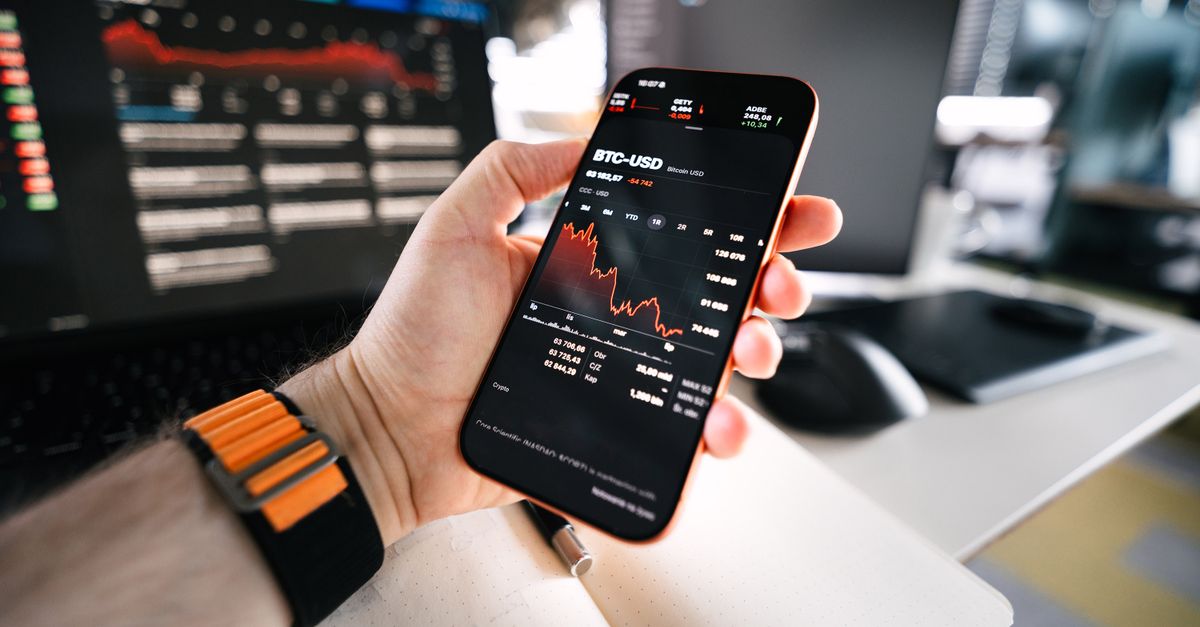
Most people’s fear of investing stems from the idea of losing money in the stock market. They picture a dramatic crash, wiping out their life savings overnight. And yes, market downturns happen. But what most people fail to account for is the insidious, ever-present threat of inflation. This isn’t a headline-grabbing event; it’s a slow, steady erosion of purchasing power that affects everyone, especially those who keep their money ‘safe’ in a savings account.
Think about it: if your savings account yields 0.5% interest, but inflation is running at 3%, your money is actually losing 2.5% of its value every single year. A dollar today is worth less tomorrow. Over a decade, this seemingly small percentage compounds into a substantial loss. That $10,000 you meticulously saved will only have the purchasing power of roughly $7,760 in ten years if inflation averages 3% and your money isn’t growing. The risk of not investing, or only investing in extremely low-yield, ‘safe’ options, is the guaranteed loss of purchasing power over time. In my experience, this is the hidden cost nobody talks about enough. It’s the risk of working hard, saving diligently, and still falling behind. What works is understanding that to maintain, let alone grow, your wealth, your money must work harder than inflation.
The Illusion of Control: Why Chasing ‘Hot Stocks’ Is a Trap
Another common misconception is that investing is about picking the next Apple or Tesla. People see friends or colleagues boast about a single stock that rocketed, and they assume that’s how investing is done. They then get paralyzed by the sheer volume of information, or worse, they jump into speculative plays with money they can’t afford to lose. This focus on individual stock picking is less about investing and more about speculating, and it introduces a level of risk that is entirely unnecessary for most long-term wealth builders.
I’ve made this mistake myself in my early days, chasing tips and spending countless hours researching individual companies, only to see meager returns or even losses. The truth is, consistently outperforming the market by picking individual stocks is incredibly difficult, even for seasoned professionals. The mistake I see most often is that people approach the stock market like a lottery, hoping for a big win, rather than a diversified engine for long-term growth. What actually works for sustainable wealth accumulation is acknowledging that you don’t need to be a stock market wizard. You need a disciplined, diversified approach that leverages the power of the entire market, not just a handful of companies.
Diversification Isn’t Just a Buzzword: It’s Your Risk Manager
When people hear ‘diversification,’ they often think of owning 10 different stocks instead of one. While that’s a start, true diversification goes much deeper, and it’s your most potent tool against the perceived ‘risk’ of investing. It’s about not putting all your eggs in one basket, not just by splitting them into many small baskets, but by distributing them across entirely different types of containers and locations.
In my own portfolio, I don’t just own hundreds of different companies through index funds; I also invest in different asset classes like bonds, real estate (through REITs), and even international markets. This means that if one sector or country experiences a downturn, the impact on my overall portfolio is significantly lessened because other areas might be performing well. The mistake I see most often is people being overly concentrated in a single industry they know well or their employer’s stock. What changed everything for me was realizing that true diversification isn’t about avoiding all risk, but about ensuring that no single event or company can derail your entire financial future. It’s about spreading your risk so thin that individual failures become negligible.
The Power of ‘Set It and Forget It’: Automating Your Path to Wealth
Perhaps the biggest barrier to consistent investing is the emotional rollercoaster. When the market dips, panic sets in, and the instinct is to sell. When it soars, FOMO (fear of missing out) makes people want to throw all their money in at the top. This emotional trading is a surefire way to buy high and sell low, exactly the opposite of what you want to do.
This is where automation becomes your best friend and your most disciplined financial advisor. Setting up automatic transfers from your checking account to your investment account, ideally into broad-market, low-cost index funds or ETFs, removes emotion from the equation entirely. You’re consistently buying regardless of market fluctuations – a strategy known as dollar-cost averaging. This means you buy more shares when prices are low and fewer when prices are high, averaging out your cost over time and mitigating the risk of investing a large sum right before a downturn.
In my experience, this ‘set it and forget it’ approach is not only the least stressful way to invest but also one of the most effective. It builds consistency, removes the temptation to time the market, and steadily compounds your wealth over decades. The mistake I see most often is people waiting for the ‘perfect time’ to invest, which never comes. What actually works is committing to a regular, automated schedule and letting time and compound interest do the heavy lifting.
Mastering the Long Game: Why Patience is Your Greatest Asset
One of the most profound lessons I’ve learned in my investing journey is the sheer power of time. The market is not a sprint; it’s a marathon, and often, a very long one. Short-term fluctuations, while unnerving, are largely irrelevant to your long-term wealth goals. The S&P 500, for example, has historically recovered from every major downturn, eventually reaching new highs. Those who panic and sell during a dip lock in their losses and miss out on the subsequent recovery.
My perspective completely shifted when I stopped checking my portfolio daily or even weekly. Instead, I focus on the decades ahead. This allows me to view market corrections not as disasters, but as opportunities to buy more assets at a discount. The mistake I see most often is people giving up too soon, pulling money out of the market during a downturn just when patience would have been most rewarded. What changed everything for me was realizing that the longer your money is invested, the more time it has to compound, smoothing out the inevitable bumps along the way. Your greatest asset isn’t a hot stock tip or a complex trading strategy; it’s simply the willingness to stay invested for the long haul.
Frequently Asked Questions
Is investing only for wealthy people?
Absolutely not. The misconception that you need a lot of money to start investing is a major barrier. Many brokerage firms allow you to start with as little as $50 or $100, and some even offer fractional shares, meaning you can buy a portion of an expensive stock or ETF. The most important factor isn’t your starting capital, but your consistency and commitment over time.
How much money should I invest?
There’s no single answer, but a common guideline is to aim to invest at least 10-15% of your income after maxing out any employer-matched retirement contributions. Start with what you can comfortably afford, even if it’s a small amount, and increase it as your income grows. The key is to start early and be consistent.
What are index funds and ETFs, and why are they recommended?
Index funds and Exchange Traded Funds (ETFs) are types of investment funds that hold a diversified basket of stocks or bonds, designed to track a specific market index (like the S&P 500). They are recommended because they offer instant diversification, low fees, and typically outperform actively managed funds over the long term, making them ideal for hands-off, long-term investors.
How can I protect my investments from market crashes?
While you can’t completely prevent losses during a market crash, you can mitigate their impact through diversification (across different asset classes, industries, and geographies), dollar-cost averaging (investing consistently over time), and maintaining a long-term perspective. Having an emergency fund outside of your investments also prevents you from being forced to sell during a downturn.
When should I start investing?
Yesterday! The best time to start investing is always as early as possible due to the power of compound interest. Even small amounts invested early can grow into substantial sums over decades. Don’t wait for the ‘perfect’ market conditions or for when you have ‘enough’ money. Start now, even if it’s just a little.
Investing can feel daunting, riddled with perceived risks and complex jargon. But by shifting your perspective to acknowledge the silent risk of inflation, embracing diversified, automated strategies, and committing to the long game, you can turn what seems like a perilous journey into a steady, reliable path to building significant wealth. Don’t let fear paralyze you; empower yourself with knowledge and consistent action. Your future self will thank you for it.
Ben Carter
Personal Finance & Smart Spending
With a background in community finance, Ben simplifies personal finance and consumer choices for everyone.