Discover why traditional meal planning often falls short and learn actionable strategies that actually work for consistent, stress-free weeknight dinners.
Picture this: It’s Sunday afternoon. You’re energized, inspired. You open a recipe app, meticulously select seven dinners, create a sprawling grocery list, and maybe even hit the store. You feel accomplished, ready to conquer the week. Fast forward to Wednesday evening. You’re exhausted from work, staring blankly at the fridge, realizing one ingredient for tonight’s elaborate dish is missing, or the chicken you planned for Thursday is still frozen solid. Suddenly, that carefully crafted plan feels like a rigid, unrealistic burden. The enthusiasm wanes, the plan gets abandoned, and you’re back to ordering takeout, feeling guilty and defeated.
This isn’t just you. In my experience coaching clients on mindful living and sustainable habits, meal planning is one of the most frequently attempted — and abandoned — strategies. The traditional, rigid approach to meal planning sets us up for failure because it doesn’t account for the unpredictable nature of real life: fluctuating energy levels, unexpected schedule changes, or simply not being in the mood for what’s on the menu. We aim for perfection when what we truly need is flexibility and a system that adapts to us, not the other way around. The goal isn’t just to eat at home; it’s to eat well, save money, and reduce the mental load of daily decisions.
What changed everything for me and my clients wasn’t trying harder to stick to a rigid plan, but understanding why those plans fell apart and building a system that celebrated flexibility over strict adherence. It’s about shifting from ‘What exactly am I eating on Tuesday?’ to ‘What kind of meals make sense for my life this week?’
Key Takeaways
- Ditch rigid daily meal assignments and embrace ‘theme nights’ or ‘component prep’ for greater flexibility.
- Focus on stocking versatile, long-lasting staples that can adapt to multiple meal ideas.
- Designate ‘buffer meals’ or ‘flex nights’ to accommodate unexpected changes or cravings without derailing your plan.
- Learn to audit your current food waste and takeout habits to identify where real savings and efficiency gains can be made.
The Flaw of Fixed Schedules: Why Daily Prescriptions Don’t Work
The biggest reason traditional meal planning fails is its inherent inflexibility. When you assign ‘Pasta with Meat Sauce’ to Monday and ‘Baked Salmon with Asparagus’ to Tuesday, you’re making a commitment without knowing your future self’s energy levels, cravings, or unexpected late meetings. Life happens. Your child gets sick, your boss schedules an impromptu evening call, or you simply wake up wanting something entirely different. A rigid schedule creates a binary outcome: either you perfectly execute the plan, or you ‘fail.’ This black-and-white thinking leads to quick abandonment because one deviation feels like a total breakdown of the system. In my early attempts, I’d plan an elaborate curry for Tuesday, only to find myself drained and ordering pizza when Tuesday arrived. The rigid plan didn’t serve me; it became another source of stress.
Instead of specific daily assignments, think in terms of meal categories or ‘theme nights.’ For example, designate Mondays as ‘Meatless Monday’ (pasta, lentil soup, big salad), Tuesdays as ‘Taco Tuesday’ (chicken, beef, or bean tacos), Wednesdays as ‘One-Pan Wonders’ (sheet pan dinners), and so on. This approach still provides structure and guides your grocery shopping but allows for variations within that theme. You might buy ingredients for chicken tacos, but if you’re feeling adventurous on Tuesday, you can easily pivot to black bean burgers using items you’d likely have on hand for other meals. This subtle shift from ‘Tuesday: Chicken Stir-Fry’ to ‘Tuesday: Quick Asian-Inspired Meal’ offers immense freedom and reduces the pressure to perfectly execute a single recipe.
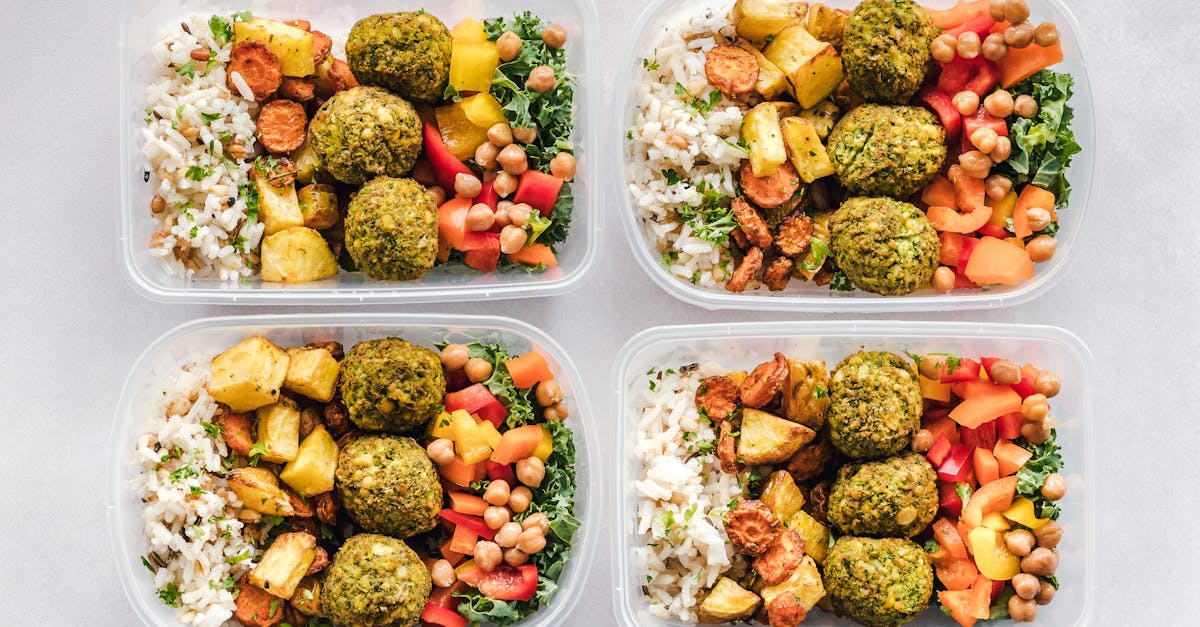
Another effective strategy is component prepping, rather than full meal prepping. Instead of cooking entire dishes, focus on preparing versatile building blocks. For instance, roast a big batch of chicken breasts, cook a large pot of rice or quinoa, chop a variety of vegetables, and make a versatile dressing. Throughout the week, these components can be mixed and matched into salads, bowls, wraps, or quick stir-fries. This means on a busy night, assembling a healthy meal takes 10 minutes, not an hour. I’ve found that having pre-cooked protein and a grain on hand instantly cuts down on last-minute takeout orders by about 50%, simply because a viable alternative is so much easier to access.
The Grocery Store Trap: Buying for Recipes, Not for Life
Many meal plans lead to a grocery list filled with specific, often obscure, ingredients for particular recipes. You buy a whole bunch of cilantro for one dish, use a quarter of it, and the rest wilts in the fridge. You purchase a unique spice you’ll never use again. This not only wastes money but also clutters your pantry and fridge, making it harder to see what you actually have. The focus becomes collecting ingredients for a plan, rather than maintaining a well-stocked kitchen that empowers spontaneous cooking.
The most impactful change I made was shifting my grocery philosophy from ‘recipe-driven’ to ‘staple-driven.’ I now maintain a core pantry and fridge list of versatile, long-lasting ingredients that form the backbone of most meals. Think canned beans, pasta, rice, frozen vegetables, eggs, onions, garlic, potatoes, a variety of herbs and spices, and common sauces (soy sauce, olive oil, vinegar, sriracha). When I go shopping, I primarily replenish these staples and then add fresh produce and proteins that fit my flexible ‘theme nights’ for the week. This often means buying a larger bag of spinach that can go into a frittata, a smoothie, or wilted into pasta, rather than just the exact amount for one specific salad.
Before shopping, I do a quick fridge and pantry audit. What needs to be used up? What staples are low? This prevents duplicate purchases and ensures I’m building meals around what I already possess. I once saved nearly $40 in a single week by simply using up forgotten items in the back of my fridge before making a shopping list. This practice also makes you more creative, challenging you to improvise with what you have, which is a key skill for sustainable home cooking.
The Myth of ‘Every Meal Planned’: Embrace Buffer Meals and Flex Nights
The idea that you must plan every single meal for the entire week is not only exhausting but also unsustainable. Life is unpredictable. You might get invited to an impromptu dinner, discover a new restaurant you want to try, or simply crave something entirely different from what you planned. When every slot is filled, these natural occurrences feel like a disruption, leading to guilt or abandonment of the entire system.
What truly works is building flexibility directly into your plan with ‘buffer meals’ or ‘flex nights.’ I recommend scheduling 1-2 such nights per week. These are designated slots for leftovers, quick pantry meals (like pasta with canned tomatoes, or scrambled eggs with toast), an easy freezer meal (a pre-made lasagna, frozen pizza), or even a planned takeout meal if that’s what your budget and sanity allow. For me, Friday is almost always ‘Flex Friday’ – sometimes it’s leftover curry, other times it’s an easy quesadilla, and occasionally it’s a guilt-free order from my favorite sushi place. This isn’t a failure of the plan; it’s a feature of a realistic plan.
By consciously building in this wiggle room, you reduce the pressure to execute perfectly. If Tuesday’s elaborate meal falls apart, you can easily swap it with a buffer meal and then shift the original Tuesday meal to your designated ‘flex night’ if you still want to make it. This prevents a single hiccup from derailing your entire week’s effort and keeps you feeling in control, rather than controlled by your plan. This simple change has decreased my takeout spending by roughly 30% because I don’t feel forced into it by a rigid schedule.
Overlooking Your ‘Why’: Connecting Planning to Your Real Goals
Many people embark on meal planning because they feel they ‘should,’ without deeply connecting it to their personal goals. Is your primary goal to save money? To eat healthier? To reduce food waste? To spend less time cooking? If you don’t have a clear ‘why,’ the effort required for planning will quickly outweigh the perceived benefits. For example, if your goal is to save money, but you’re planning complex meals with expensive, niche ingredients, you’re undermining your own objective and setting yourself up for disappointment.
Before you even think about recipes, take 15 minutes to articulate your top 1-2 primary motivations for wanting to meal plan. Write them down. Then, review your current habits: How much do you spend on groceries vs. takeout? How much food do you throw away each week? What are your typical ‘pain points’ around dinner (e.g., lack of ideas, no time to cook, spoiled ingredients)?
Once you know your ‘why,’ tailor your planning strategy. If saving money is paramount, focus on inexpensive staple ingredients, simple recipes, and maximizing leftovers. If healthy eating is key, prioritize recipes rich in vegetables and lean proteins. If reducing time in the kitchen is your goal, lean heavily into batch cooking, one-pan meals, and quick assembly options. For instance, one client realized her main goal was to reduce food waste. We shifted her focus from exotic recipes to ‘using up’ ingredients already in her fridge first, which not only saved her money but also gave her a greater sense of accomplishment each week. This alignment ensures that your efforts feel purposeful and rewarding, making the habit much more likely to stick.
The Overwhelm of Choice: Too Many Recipes, Too Little Execution
The internet is a double-edged sword when it comes to meal planning. On one hand, an endless supply of recipes. On the other, overwhelming choice paralysis. Many people spend hours browsing Pinterest or food blogs, saving dozens of tantalizing recipes, only to feel utterly frozen when it comes time to choose. This ‘analysis paralysis’ can prevent you from even starting the planning process, or lead to overly ambitious plans that are impossible to execute.
My solution is to create a small, curated ‘recipe rotation’ or ‘dinner playbook’ of 15-20 tried-and-true, family-favorite, and relatively easy meals. These are the recipes you can make almost on autopilot, that you know you enjoy, and that fit your lifestyle. When it’s time to plan, you’re not sifting through thousands of options; you’re simply choosing from a manageable, pre-approved list. This significantly reduces the cognitive load and decision fatigue associated with meal planning.
Additionally, I advise clients to categorize these recipes by cooking time (e.g., ‘30-minute meals,’ ‘weekend projects’), protein type (e.g., ‘chicken,’ ‘vegetarian’), or even ‘mood’ (e.g., ‘comfort food,’ ‘light & fresh’). This makes selection even quicker. For example, if I know I have a busy Monday, I’ll pull from my ‘30-minute vegetarian’ section. This strategy means I spend no more than 15-20 minutes planning for the week, which feels sustainable even when life is hectic. It’s about working smarter, not harder, to make dinner a joy, not a chore.
Frequently Asked Questions
Q: How much time should I realistically spend on meal planning each week?
A: With the flexible approach, aim for 15-30 minutes max. This includes a quick fridge/pantry audit, choosing your general meal themes or components, and creating a grocery list. Over-planning or spending hours recipe hunting is a common trap to avoid.
Q: What’s the best way to deal with picky eaters when trying to meal plan?
A: Focus on ‘deconstructed’ meals where components are separate (e.g., serve taco fillings separately so everyone can customize). Also, integrate ‘theme nights’ that allow for variation within a meal type, and involve picky eaters in choosing one or two meals from your curated recipe list each week to give them ownership.
Q: I’m terrible at cooking. Can I still benefit from meal planning?
A: Absolutely! Start with extremely simple recipes. Focus on ‘assembly meals’ (like elaborate salads, wraps, or grain bowls using pre-cooked ingredients), one-pan dinners, or slow-cooker recipes that require minimal hands-on cooking. The goal is consistent homemade food, not gourmet chef status.
Q: How do I prevent food waste when I buy fresh ingredients for specific meals?
A: Focus on versatile produce that can be used in multiple ways (e.g., spinach, bell peppers, onions). Prioritize buying ingredients that have longer shelf lives or can be easily frozen (e.g., carrots, cabbage, berries). Make ‘using up’ expiring ingredients a priority on your flex nights or buffer meals.
Q: What if I hate leftovers? Does batch cooking still make sense?
A: If you truly dislike identical leftovers, shift your batch cooking strategy. Instead of full meals, focus on cooking large quantities of components (e.g., plain chicken, rice, roasted vegetables) that can be repurposed into entirely different dishes later in the week. For example, roasted chicken can become part of a salad, then tacos, then a stir-fry.
Conquering meal planning isn’t about rigid adherence or culinary perfection; it’s about designing a system that respects your time, energy, and the beautiful chaos of real life. By embracing flexibility, focusing on staples, building in buffer meals, understanding your ‘why,’ and curating a manageable recipe repertoire, you can transform mealtime from a source of stress into a consistent, enjoyable, and genuinely sustainable habit. Start small this week: pick one ‘theme night’ and stock your pantry with a few versatile staples. You’ll be amazed at the mental freedom and tangible savings that follow.
Maya Singh
Wellness & Mindful Living
An experienced lifestyle journalist, Maya crafts engaging articles on well-being and mindful living.