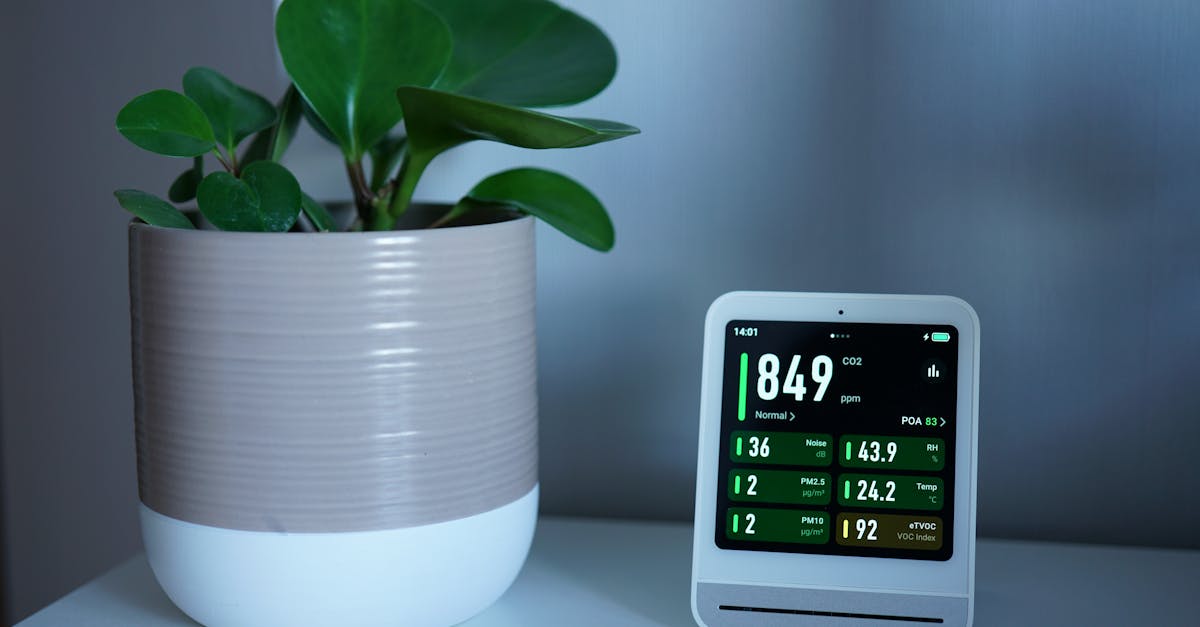
Discover why simply plugging in an air purifier isn't enough for clean air and learn a layered approach that actually delivers results.
You just bought a brand new air purifier, probably after reading about its myriad benefits: reduced allergens, fewer pet odors, maybe even better sleep. You unbox it, plug it in, hit ‘auto mode,’ and… wait. A few weeks later, you’re still sneezing, your dust levels haven’t dramatically changed, and that lingering cooking smell from yesterday’s dinner is, well, still lingering. You feel a pang of disappointment, maybe even a little buyer’s remorse, thinking, “Was this just another overhyped gadget?”
In my experience, this scenario plays out far too often. People invest in air purifiers with good intentions, only to find them falling short of expectations. The problem isn’t usually with the device itself – most modern air purifiers are quite effective at what they do. The real issue lies in a fundamental misunderstanding of how air purifiers actually interact with your living space and the common mistakes made in their placement, maintenance, and integration into a broader clean air strategy. You can’t just set it and forget it and expect transformative results. It’s a tool, not a magic wand, and like any effective tool, it requires a nuanced, layered approach to truly deliver on its promise.
I’ve seen countless friends and family members make these same errors, and for years, I struggled with them myself. It wasn’t until I started viewing air purification as a holistic system rather than a singular device that I began to see a real, tangible difference in my home’s air quality and, consequently, my well-being. This isn’t about buying more expensive purifiers; it’s about making smart, informed choices that maximize the investment you’ve already made.
Key Takeaways
- Merely plugging in an air purifier is insufficient; effective clean air requires a comprehensive, layered strategy.
- Correct placement, accounting for airflow and room size, is more critical than the purifier’s raw power.
- Consistent, proper maintenance, especially filter changes, directly impacts performance and longevity.
- Integrating an air purifier with other clean air practices amplifies its benefits, creating a truly healthy indoor environment.
The “Set It and Forget It” Fallacy: Why Auto Mode Isn’t Enough
One of the biggest misconceptions I encounter is the belief that an air purifier’s ‘auto mode’ or a single default setting will magically optimize your air quality. While these modes are convenient, they are often designed for average conditions and may not be sensitive enough to the unique dynamics of your home. Think about it: your living room’s air quality needs might fluctuate dramatically throughout the day – when you’re cooking, when pets are active, or when windows are open. A basic auto mode can’t anticipate these peaks and valleys effectively.
What changed everything for me was adopting a more intentional operational rhythm. Instead of relying solely on auto, I developed a proactive strategy. For instance, I now manually boost the fan speed during high-pollution events, like cooking dinner or vacuuming, to rapidly clear contaminants. I also run the purifier on a higher setting for an hour or two before bed in the bedroom, ensuring optimal air quality for sleep, then revert to a quieter, lower setting overnight. This approach acknowledges that air purification isn’t a static process; it’s a dynamic one that needs to adapt to your daily life. Over-reliance on auto mode often means your purifier is running at an insufficient level during critical times or expending unnecessary energy when the air is already clean enough. Understanding when and how to adjust settings is paramount to mastering your device.
The Placement Paradox: Why Location Matters More Than You Think
Another common blunder is the haphazard placement of the air purifier. People often tuck it away in a corner, behind furniture, or even inside a cabinet, thinking it will still do its job. In reality, an air purifier needs unobstructed airflow to effectively circulate and clean the air in a room. Placing it incorrectly can drastically reduce its effective clean air delivery rate (CADR) and make it seem like the device isn’t working.
In my own home, I learned this the hard way. My first air purifier was initially placed in a discreet corner of my living room. I noticed it wasn’t making much of a difference. After some research, I moved it to a more central location, allowing at least a foot of clearance from walls and furniture, and positioned it near the primary source of common pollutants – for me, that’s often the entryway where outside air and allergens are introduced, or near the kitchen to capture cooking odors. The difference was night and day. The air felt fresher, and I started seeing a noticeable reduction in dust and pet dander. For open-plan spaces, considering the natural airflow patterns, often from windows or doors, can help you identify optimal zones for placement. Don’t be afraid to experiment; sometimes, a few feet can make all the difference in maximizing your purifier’s reach and impact.
The Filter Fumble: Underestimating the Power of Timely Maintenance
This is perhaps the most insidious reason why air purifiers fail: neglected filters. Many beginners treat air purifier filters like a car’s oil change – something to be done only when a warning light comes on, or even worse, when the device visibly starts underperforming. What they don’t realize is that by the time a filter indicator light illuminates, its efficiency has often been significantly compromised for weeks or even months.
I used to be guilty of this myself. I’d stretch filter changes, thinking I was saving money, but all I was doing was forcing my purifier to work harder, consuming more energy, and ultimately delivering dirtier air. The filters were clogged with accumulated pollutants, reducing airflow and turning the device into an expensive fan. What changed everything for me was adhering strictly to the manufacturer’s recommended replacement schedule, often every 6-12 months for HEPA filters and every 3-6 months for activated carbon filters. I even set recurring reminders on my calendar. The small upfront cost of a new filter is a tiny fraction of the long-term benefits of consistently clean air and a properly functioning device. Regularly check your filters, even if no light is on; visible discoloration or excessive dust accumulation is a clear sign it’s time for a change. It’s a simple habit that profoundly impacts performance.
The Room Size Mismatch: Overlooking the “Too Big” Problem
Many first-time buyers fall into the trap of purchasing an air purifier that simply isn’t powerful enough for their intended space. They might see a compelling price point or a sleek design and assume it’s a one-size-fits-all solution. This results in the purifier constantly struggling to clean the air, running inefficiently, and ultimately delivering disappointing results because it’s perpetually underpowered for the volume of air it needs to process.
The critical metric to look for is the Clean Air Delivery Rate (CADR), which measures how quickly the purifier can remove pollutants like dust, pollen, and smoke from a room. More importantly, cross-reference this with the recommended room size (often listed in square feet or cubic feet) for the specific model. A common mistake I see is people buying a purifier rated for a 200 sq ft bedroom and expecting it to purify a 500 sq ft open-plan living area. It simply won’t work effectively. For large spaces, you might need a higher CADR unit or, as I discovered, multiple smaller units strategically placed to cover different zones. Understanding the CADR value and matching it to your actual room dimensions is a non-negotiable step to ensuring your air purifier can actually do its job efficiently and effectively.
The Isolation Illusion: Air Purifiers as Part of a Bigger Picture
Finally, the biggest mistake beginners make is viewing the air purifier as a standalone solution, isolated from other critical clean air practices. They think that by simply running the device, they don’t need to worry about other sources of indoor air pollution or basic hygiene. This creates an isolation illusion, where the purifier is fighting an uphill battle against constantly introduced contaminants.
What truly works is integrating your air purifier into a holistic approach to indoor air quality. In my experience, this means a combination of strategies: regular vacuuming with a HEPA-filtered vacuum, frequent dusting with microfiber cloths, using exhaust fans when cooking or showering, avoiding harsh chemical cleaners, and periodically airing out your home when outdoor air quality permits. For example, my purifiers work much more efficiently now that I also vacuum my carpets every two days and dust twice a week. The purifier then acts as a crucial support system, continuously filtering out the airborne particles that even the most diligent cleaning can’t capture. It’s not about replacing these habits; it’s about complementing them, creating an environment where your air purifier can truly shine and provide the cleanest air possible.
Frequently Asked Questions
Q: How many hours a day should I run my air purifier?
A: In my experience, for optimal benefits, you should run your air purifier almost continuously, especially in areas where you spend the most time (e.g., bedroom, living room). Modern air purifiers are designed for continuous operation and are energy-efficient. Running it 24/7 ensures constant air circulation and filtration, preventing pollutants from building up. If noise is a concern, use a lower, quieter setting overnight or when you’re out of the room.
Q: Can I use one air purifier for multiple rooms?
A: Generally, no. Air purifiers are most effective when sized and placed for a specific room. While a powerful unit in a central location might offer some benefit to adjacent open-plan areas, it won’t effectively purify separate rooms with closed doors. For true clean air throughout your home, consider multiple units, each appropriately sized for its designated space.
Q: Do I need an air purifier if I have good ventilation?
A: Good ventilation, like opening windows or using exhaust fans, is excellent for introducing fresh air and expelling pollutants. However, it also introduces outdoor allergens and pollution. An air purifier complements ventilation by filtering out these incoming particles and continuously removing indoor pollutants that ventilation might miss, creating a more controlled and cleaner indoor environment. It’s not an either/or; it’s a synergistic approach.
Q: What’s the difference between HEPA and activated carbon filters?
A: A HEPA (High-Efficiency Particulate Air) filter is designed to capture tiny airborne particles like dust, pollen, pet dander, mold spores, and smoke particles. Activated carbon (or charcoal) filters, on the other hand, are designed to absorb gases, odors, and volatile organic compounds (VOCs) that HEPA filters cannot. Most effective air purifiers will utilize both types of filters in a multi-stage filtration system.
Q: Can an air purifier help with pet odors?
A: Absolutely, an air purifier with a robust activated carbon filter is very effective at reducing pet odors by absorbing the gaseous compounds responsible for those smells. While a HEPA filter will capture pet dander (an allergen), the carbon filter is key for odor control. Remember, regular cleaning and grooming of your pets will also significantly help.
In conclusion, mastering your air purifier isn’t about buying the most expensive model or simply plugging it in and hoping for the best. It’s about understanding the nuances of how these devices work best within your specific living environment. By adopting a layered approach that encompasses intentional operation, strategic placement, diligent maintenance, appropriate sizing, and integration with other clean air habits, you’ll unlock the true potential of your air purifier. Don’t let your investment gather dust or run inefficiently. Take control of your indoor air quality, and you’ll breathe easier, sleep better, and ultimately foster a healthier living space for yourself and your family.
Maya Singh
Wellness & Mindful Living
An experienced lifestyle journalist, Maya crafts engaging articles on well-being and mindful living.


