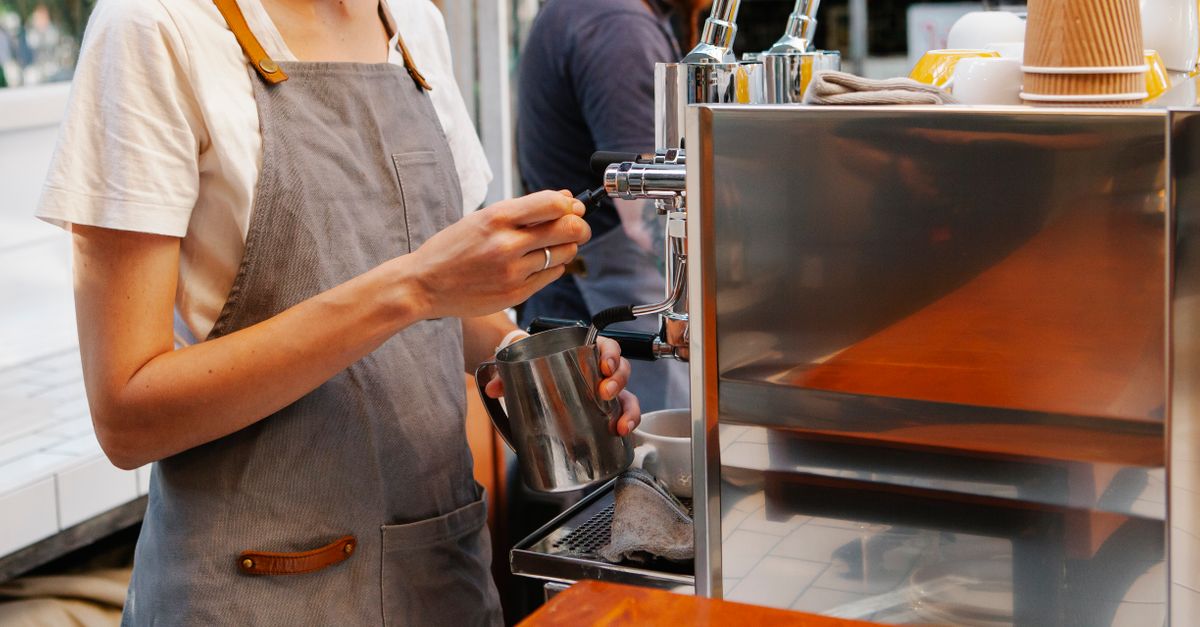
Dreaming of cafe-quality espresso at home? Discover why budget machines disappoint and what essential features truly deliver exceptional coffee.
The allure of a budget-friendly home espresso machine is powerful. Visions of perfectly pulled shots, rich crema, and a steaming latte art swirl in your head. You scour online reviews, compare specs, and finally, excitedly unbox your new machine, ready to save hundreds on daily cafe visits. Then reality hits. That first shot is watery, the crema disappears in seconds, and the milk frother splutters out sad, thin foam. Your dream of becoming a home barista quickly fades, replaced by frustration and the bitter taste of lukewarm, mediocre coffee. You’re left wondering: Why does achieving cafe-quality espresso at home feel impossible with an affordable machine?
In my experience, the biggest mistake people make—and one I certainly made early on—is believing that all espresso machines, regardless of price, deliver the same fundamental result. The truth is, the internal mechanisms and build quality of budget machines often impose inherent limitations that even the most meticulous technique can’t overcome. It’s not just about pushing a button; it’s about understanding the physics and engineering compromises made to hit a lower price point. For years, I cycled through various entry-level machines, convinced I was the problem, endlessly tweaking grind sizes and tamping pressure. What changed everything for me wasn’t a sudden mastery of barista skills, but a fundamental shift in understanding what an espresso machine needs to do consistently, and where budget models inevitably fall short.
Key Takeaways
- Budget espresso machines compromise on pressure stability and temperature control, which are crucial for consistent extraction.
- An integrated grinder in a budget machine is often a weakness, producing an inconsistent grind size vital for quality espresso.
- Investing in a separate, high-quality burr grinder is more impactful for shot quality than a slightly more expensive machine with a poor integrated grinder.
- Steaming wands on budget machines typically lack the power for true microfoam, essential for creamy milk drinks.
- Understanding the limitations and prioritizing key components like the grinder can transform your home espresso experience.
The Unstable Truth: Pressure and Temperature Consistency are King
When I first started my home espresso journey, I was obsessed with the 15-bar pump advertised on most budget machines. ‘More bars must mean better espresso, right?’ I thought. Wrong. What I quickly learned is that the number of bars is far less important than the consistency of that pressure, coupled with stable water temperature. Espresso, at its heart, is about forcing hot water through finely ground coffee at a precise pressure (ideally 9 bars) and temperature (around 195-205°F or 90-96°C). Budget machines almost universally fail to maintain these two critical parameters consistently.
Most entry-level machines use a thermoblock heating system, which heats water on demand. While faster than a boiler, thermoblocks are notorious for temperature fluctuations. You might start at a decent temperature, but by the time the shot is half pulled, the temperature can drop significantly, leading to underextracted, sour coffee. Similarly, the pumps in budget machines often struggle to maintain a steady 9 bars of pressure throughout the shot. They might hit 15 bars initially, but the pressure quickly fluctuates, leading to uneven extraction and a weak, watery espresso with little crema. In my own attempts, I’d often get shots that started well but quickly turned pale and thin, a clear sign of unstable temperature and pressure. The bitterness or sourness wasn’t my fault; it was an engineering limitation of the machine itself.
What actually works is prioritizing machines with a PID (Proportional-Integral-Derivative) controller for temperature stability and a true 9-bar pump that maintains consistent pressure. While these features are typically found in mid-range to higher-end machines, understanding their importance helps you manage expectations for budget models. If you’re sticking to a budget machine, acknowledge this limitation and focus on other variables you can control to mitigate its impact, such as using freshly roasted beans and mastering your grind.
The Integrated Grinder: A Convenience That Sacrifices Quality
Many budget espresso machines boast an ‘integrated grinder.’ This seems like a fantastic two-for-one deal, saving counter space and simplifying the process. However, in my experience, an integrated grinder in an entry-level machine is almost always a fatal flaw for espresso quality. Espresso requires an extremely fine and, crucially, consistent grind. Think of it like a perfectly paved road; any bumps or potholes (inconsistent grind particles) will make the water flow unevenly, causing channeling and poor extraction.
Budget integrated grinders are typically blade grinders or low-quality burr grinders. Blade grinders chop coffee beans into uneven fragments, creating a mix of fine dust and large chunks. This inconsistency leads to over-extraction in some parts of the coffee bed and under-extraction in others, resulting in a cup that’s simultaneously bitter and sour. Even budget burr grinders often use lower-quality materials or designs that don’t allow for the precise, uniform grind needed for espresso. The noise, static, and frustration of trying to dial in a consistent grind on these machines became a daily battle for me.
What changed my home espresso game entirely was investing in a separate, high-quality burr grinder before upgrading the espresso machine itself. A good conical burr grinder, even a manual one, provides a far more consistent and adjustable grind than almost any integrated grinder in a sub-$500 espresso machine. This allows for proper puck preparation, even extraction, and a dramatic improvement in flavor. Seriously, if you’re on a budget, buy the best stand-alone burr grinder you can afford first, then find the best espresso machine for the remaining budget. It’s counter-intuitive, but a mediocre machine with an excellent grinder will always outperform a slightly better machine with a poor grinder.
The Steaming Wand Illusion: Why Latte Art Remains a Dream
Another common disappointment with budget espresso machines is the milk steaming. Online tutorials make achieving silky, creamy microfoam for latte art look effortless. With a budget machine, it’s anything but. Most entry-level models come with a panarello wand, a metal sleeve over a basic steam nozzle. While it produces foam, it’s usually large, airy bubbles—what I affectionately call ‘dishwasher soap foam.’ It lacks the power and control to create the velvety microfoam that integrates perfectly with espresso for lattes and cappuccinos.
The problem lies in the steam pressure and the design of the wand. Budget machines often have weaker boilers or thermoblocks that can’t generate the sustained, high-pressure, dry steam needed to properly texturize milk. The panarello wand simply injects air, creating a bubbly, separated texture that sits on top of the coffee rather than blending with it. I spent countless hours trying to perfect my milk, only to pour sad, foamy blobs into my espresso, utterly deflating my barista aspirations. The milk would be hot, but the texture was always wrong, leading to a thin, airy mouthfeel instead of creamy decadence.
What actually works, if milk drinks are your priority, is to look for machines with a traditional, single-hole steam wand (even if it’s still lower power than commercial machines). This offers more control, allowing you to manually incorporate air and then texture the milk. Alternatively, if your budget machine truly falls short, consider a separate manual milk frother or an automatic frother like an Aeroccino. While not the same as a powerful steam wand, these can produce much better, more consistent milk foam than a budget panarello, making your lattes and cappuccinos significantly more enjoyable. Embrace the compromise and find an external solution if your machine’s wand is a perpetual source of frustration.
Maintenance Neglect: The Hidden Cost of Longevity
Beyond the initial disappointment, I’ve observed that many budget espresso machine owners quickly fall into a trap of maintenance neglect. When a machine is cheap, there’s a subconscious assumption that it’s disposable. However, espresso machines, regardless of price, are precision instruments dealing with hot water, coffee oils, and mineral deposits. Neglecting basic cleaning and descaling is a surefire way to exacerbate performance issues and drastically shorten the lifespan of even the most robust machine.
With my first few machines, I was inconsistent with backflushing, cleaning the group head, and descaling. The result? Shots that tasted increasingly bitter or stale, slower heating times, and eventually, machines that simply stopped working. Coffee oils build up, going rancid and tainting subsequent shots. Mineral deposits (limescale) clog internal components, reducing water flow and heating efficiency. This isn’t unique to budget machines, but the perception of disposability often leads owners to neglect simple steps that could extend their machine’s life and improve coffee quality.
What actually works is a strict, consistent cleaning regimen from day one. Backflush your machine regularly (if it allows for it), clean the group head after every use, wipe down the steam wand immediately, and descale according to your manufacturer’s recommendations (or more frequently if you have hard water). These habits are non-negotiable for any espresso machine, but especially for budget models where internal components might be more susceptible to buildup. A well-maintained budget machine will always outperform a neglected expensive one.
Realistic Expectations and Strategic Upgrades: The Path to Home Barista Bliss
After years of trial and error, buying into the marketing hype, and then getting frustrated, I finally understood the core issue: I had unrealistic expectations for what a sub-$300 espresso machine could deliver. The dream of cafe-quality espresso at home is achievable, but it requires either a significant upfront investment or a strategic, layered approach to upgrades.
My ultimate realization was that achieving excellent espresso isn’t about one magic piece of equipment, but a chain of precise variables. The weakest link breaks the chain. For budget machines, the weakest links are almost always the grinder, pressure stability, and temperature control. Understanding these limitations is the first step towards success, not defeat.
What actually works is to set realistic expectations and consider a staged upgrade path. Start with a decent espresso machine, but if your budget is tight, prioritize a separate, high-quality burr grinder above all else. A consistent grind is the foundation of good espresso. Then, focus on learning proper puck preparation techniques: consistent dosing, even distribution, and proper tamping. Master those variables. Once you’ve squeezed every last drop of potential out of your setup, then consider upgrading your machine to one with better temperature stability (PID) and a more powerful, traditional steam wand. This allows you to appreciate the incremental improvements and build your skills without constant frustration. My journey evolved from a basic machine to a better grinder, then a PID-controlled machine, and each step was a noticeable leap in quality, fueled by a clearer understanding of what actually makes great espresso.
Frequently Asked Questions
Q: Can I really get good espresso from a budget machine?
A: Yes, but with significant caveats and effort. You can get drinkable espresso, and sometimes even good, if you manage expectations and control other variables meticulously. This means using freshly roasted, quality beans, an excellent separate burr grinder, precise puck preparation (dosing, distributing, tamping), and a diligent cleaning routine. The machine itself will be your biggest limitation for consistency in pressure and temperature, making truly cafe-quality espresso a rare achievement.
Q: What’s the absolute most important upgrade for a budget espresso setup?
A: Hands down, a high-quality separate burr grinder. A consistent, fine grind is the foundation of good espresso. Even a cheap espresso machine will produce better results with an excellent grinder than an expensive machine with a poor one. Prioritize this over a slightly more expensive machine with an integrated, sub-par grinder.
Q: Why do budget machines advertise 15 or 20 bars of pressure if 9 is ideal?
A: This is largely a marketing tactic. While the pump can generate that much pressure, it’s often unregulated and inconsistent. Ideal espresso extraction occurs at around 9 bars. Higher, uncontrolled pressure can lead to over-extraction and bitter coffee. Consistency and stability at 9 bars are far more important than a high peak number.
Q: How often should I clean and descale my home espresso machine?
A: Clean the group head and wipe the steam wand after every use. Backflush (if your machine has the feature) weekly. Descale every 1-3 months, depending on your water hardness and machine usage. Neglecting these basic maintenance steps will quickly degrade performance and can lead to expensive repairs or a shorter machine lifespan.
Q: Should I buy an espresso machine with an integrated grinder or separate components?
A: For budget setups, always opt for separate components if space allows. Integrated grinders in budget machines are almost always a compromise on quality and consistency. A good separate burr grinder will offer far more control and significantly improve your espresso, making up for some of the machine’s limitations.
Ultimately, the journey to cafe-quality espresso at home is one of understanding limitations and making strategic choices. Don’t fall for the marketing hype; instead, arm yourself with knowledge about what truly matters: a consistent grind, stable pressure, and precise temperature. By prioritizing a quality grinder and diligent technique, you can elevate your home coffee experience far beyond what a simple budget machine alone might suggest. It’s a journey I’m still on, and one that has transformed my mornings from frustrating compromises to genuinely enjoyable, rich cups of coffee.
Maya Singh
Wellness & Mindful Living
An experienced lifestyle journalist, Maya crafts engaging articles on well-being and mindful living.


